12th Dec 2024
There was an unusual mix of energy and emotion during my early November visit to Montalcino. Positivity abounded amongst producers and the Consorzio regarding the overall quality of the 2020 vintage of Brunello, and the residual excitement of the 2019 vintage was still buzzing in the air as we tasted the soon-to-be-released 2019 Riservas.
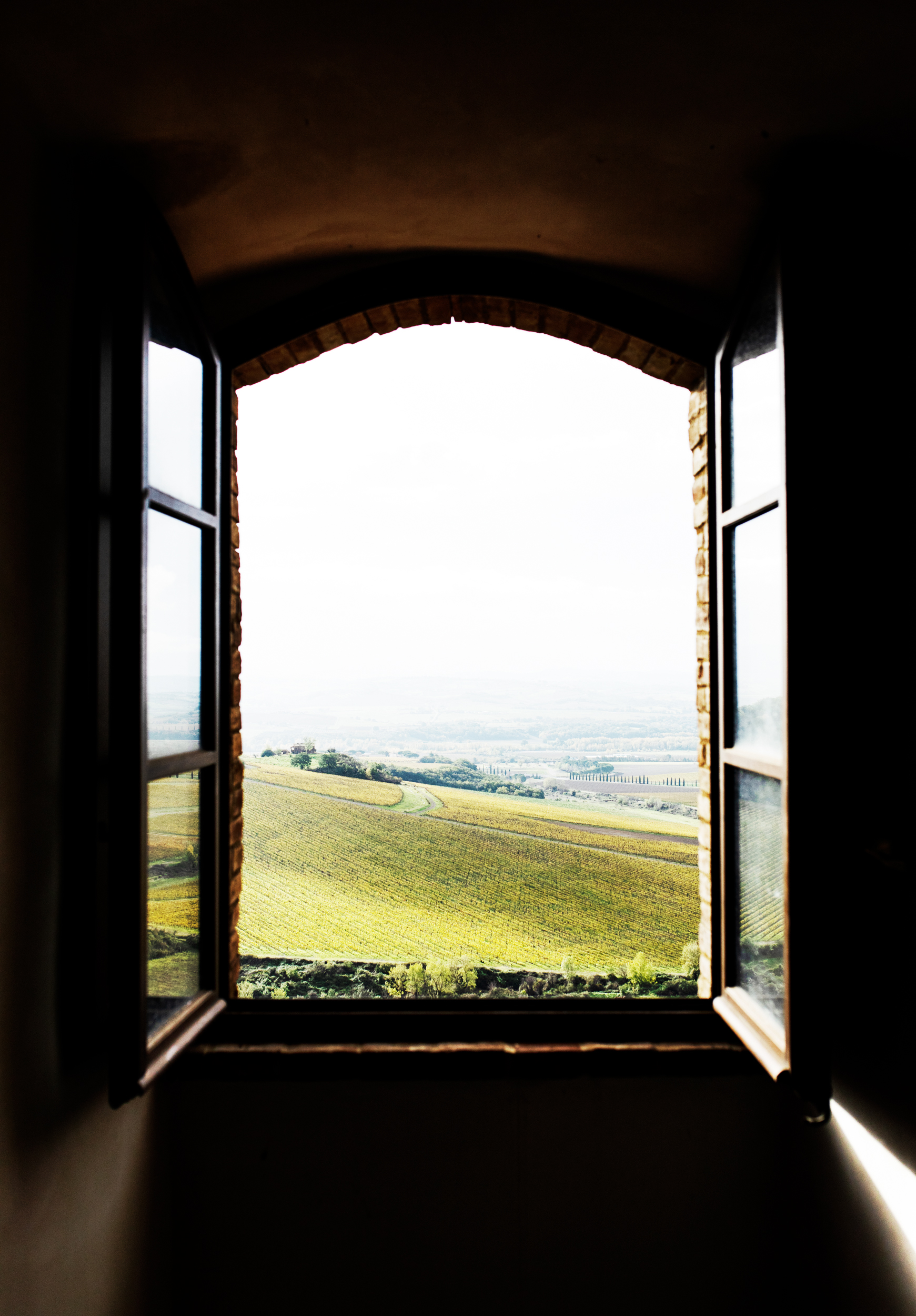
Positivity
Given the recent close to the 2024 harvest, beneath the good humor about the 2020 vintage, there was also an undercurrent of exhaustion.
The harvest of 2024 had kept producers on their toes due to a hot summer leading into a rainy fall. The resulting disease pressure necessitated rigorous—or, in some cases, ruthless—selection. Many seemed relieved to revisit the 2020 and 2019s to recall less stressful vintages.
There was also an aura of novelty as the Consozio rolled out an updated method of vintage assessment. The former system of a 1-5 star scale, which assigned the quality designation just four months after the harvest, has been revamped and replaced with an expanded assessment to include seasonal data, an evaluative blind tasting occurring closer to the release of the vintage performed by an international panel of Masters of Wine, and a descriptive marketing phrase to assist consumers and the trade to understand the personality of the vintage.
All of the producers I interviewed viewed the updated assessment method as a move in the right direction. However, there was some understandable difficulty by some in explaining the new system, with producers noting that while it is a positive change, it requires further refinement and development.
The official vintage-identifying phrase for the 2020 vintage is "captivating, bright, and succulent," and the Consozio added, "versatile and suitable for aging."
I mostly agree. I certainly did taste some captivating, bright, and succulent wines. I also tasted some very powerful wines, as well as some thin and astringent wines. Most fell somewhere in the middle. Perhaps I’m being too literal, but I do question how a vintage can be both versatile and suitable for aging, as by definition, if it is versatile (which the 2020 is indeed), it cannot also be universally suitable for aging.
Overall, and as the local producers expressed, I agree there was a need for change in the assessment mechanism, and the new endeavor is in extremely capable hands with Gabriele Gorelli MW and Andrea Lonardi MW at the helm.
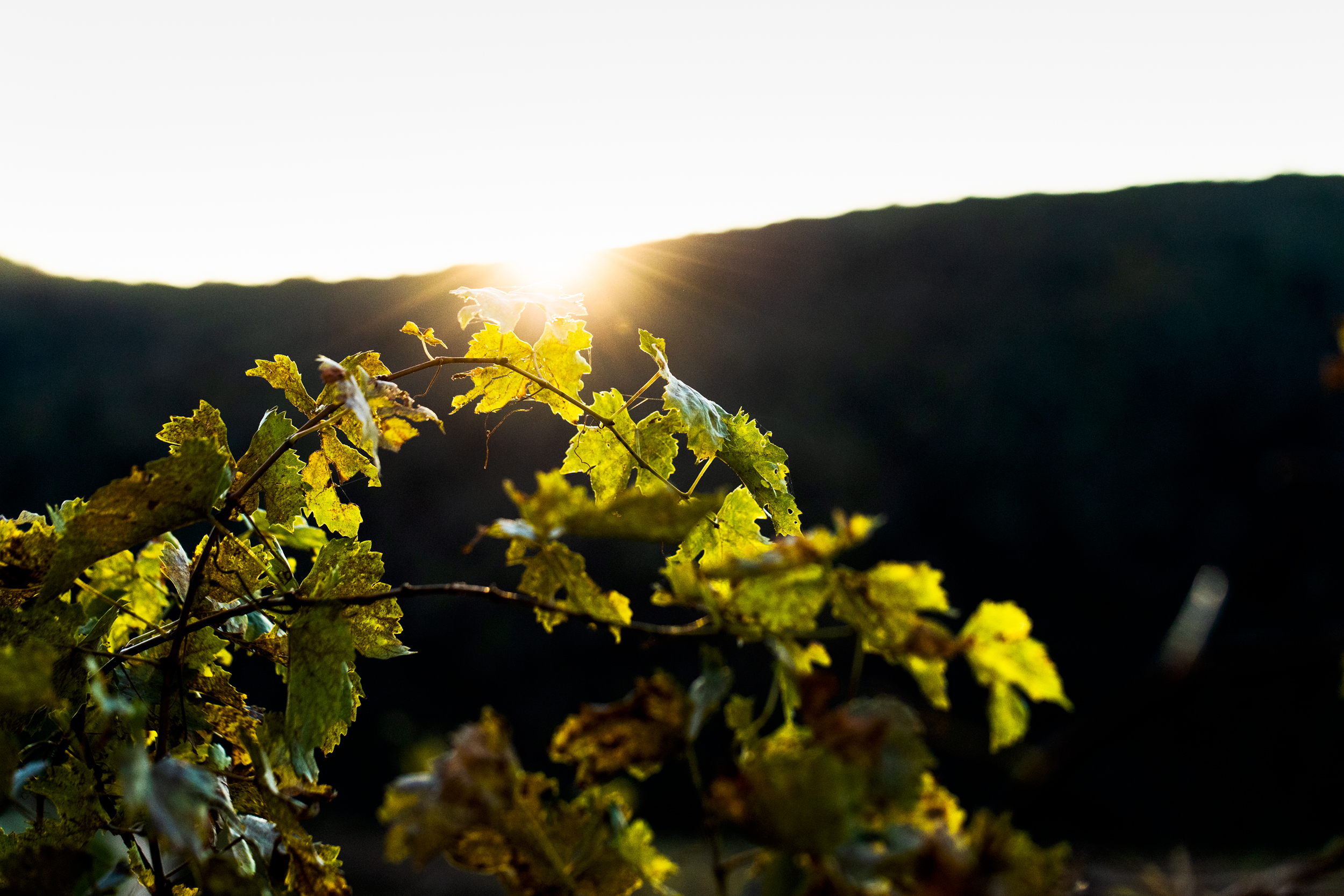
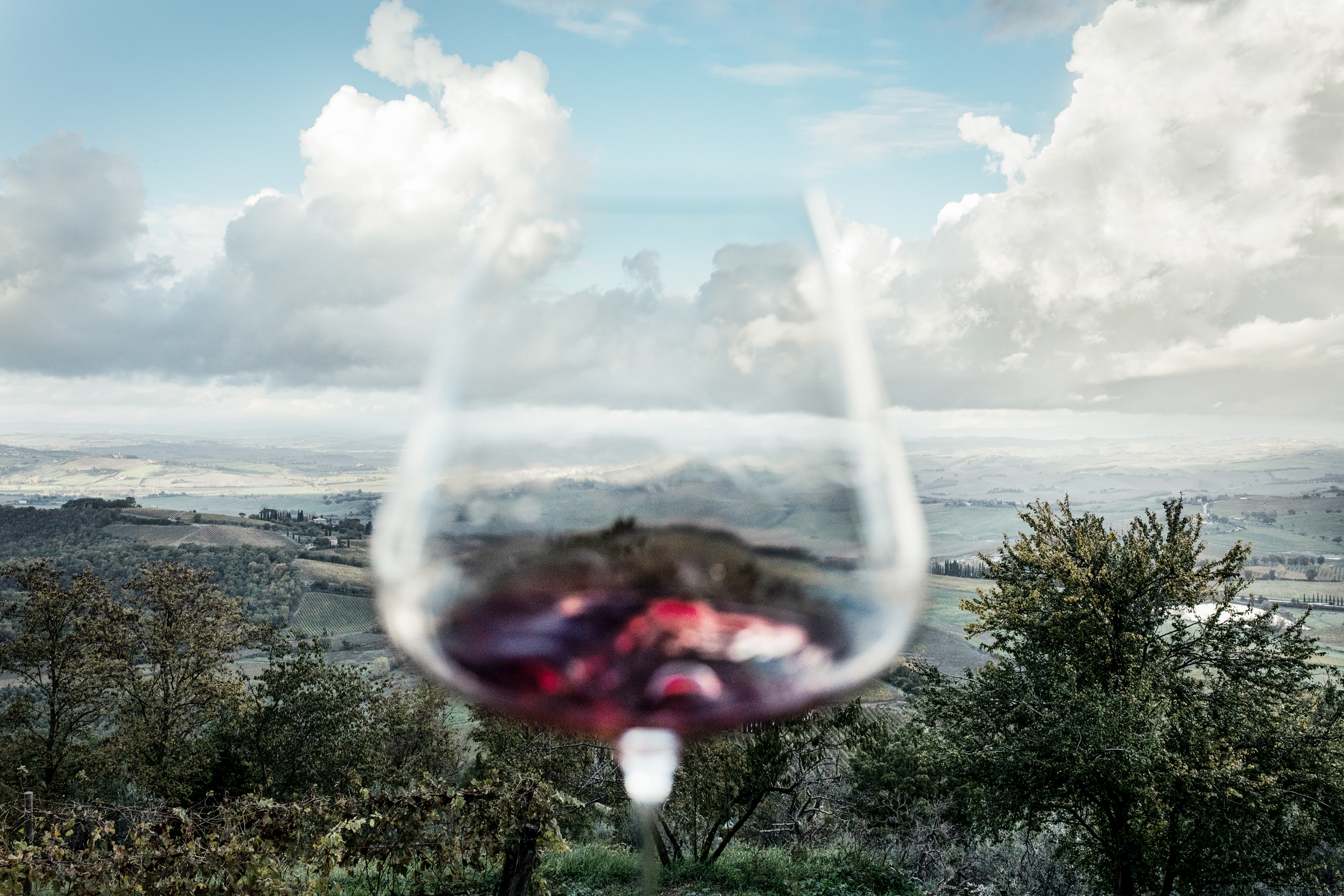

The 2020 Growing Season
Significant rainfall over the winter months resulted in ample access to water for the vines during the first half of the year.
February experienced unusually warm temperatures, significantly higher than average. This was followed by a snow event on March 26th, notable for snow rather than frost. Interestingly, some March temperatures were higher than those typically recorded in May and June.
The summer season was favorable, marked by consistent warmth and only a few heat spikes, but they were neither intense nor prolonged. The summer also received adequate rainfall, with the majority falling in June.
Late August and early September saw some light rain showers, with temperatures remaining favorable. The harvest began under good conditions but was disrupted by persistent rainfall starting the third week of September, leading to powdery mildew in some areas. The timing of harvest became critical, and wines from grapes harvested before the rains generally reflect higher quality.
Aside from the official vintage assessment from the Consorzio, there was more of a struggle among the winemakers I spoke with to define with ease the 2020s. As my reviews will reflect, there are some fresh and light wines, but also wines of power and ripeness, and many variations in between.
One of the great pleasures of my trip was revisiting many of the 2018s I had tasted upon their release in 2022. The 2018 was dubbed a “restaurant” vintage—wines that were approachable on release but without the ability to age. There certainly was variability in the vintage, but some of the 2018s were gorgeous, particularly the 2018 Poggio di Soto, which, tasting today, is a savory knockout.
Overall, I was impressed with the 2020 vintage. With some attention paid to the producer, I recommend it as vintage to buy and, in many cases, it is a suave vintage to hold even longer than the bombastic 2019 vintage.
–
Article & Reviews by Vanessa Conlin MW
Photography by Svante Örnberg
See more work from Svante at svanteornberg.se by clicking here!

PRODUCERS IN THIS ARTICLE
> Show all wines sorted by score
Argiano
Biondi-Santi
Capanna
Caparzo
Caprili
Carpineto
Casanova di Neri
Casanuova delle Cerbaie
Ciacci Piccolomini d'Aragona
Col d'Orcia
Corte Pavone
Fuligni
Gorelli
Il Palazzone
Il Poggione
La Fortuna
La Gerla
La Poderina
Le Chiuse
Le Ragnaie
Lisini
Mastrojanni
Mocali
Musico
Palazzo
Poggio Antico
Poggio di Sotto
Rasina
Romitorio
Sesta di Sopra
Sesti
Talenti
Tassi
Val di Suga
More articles
Bordeaux 2025 En Primeur
07th May 2026
382 tasting notes
Château Vieux Taillefer 2013 - 2025
26th Mar 2026
13 tasting notes

Château Ducru-Beaucaillou 1904-2017
12th Mar 2026
34 tasting notes
TWI Drinks Château Gruaud Larose 1988 and 1989
11th Mar 2026
2 tasting notes
Show all articles