16th Oct 2025
Ah yes, 1945 Bordeaux — the year the vineyards finally stopped ducking for cover and the grapes decided to come out of hiding and have a proper go at being fabulous and free.
The Nazis had finally packed it in and buggered off, Churchill was lighting a cigar the size of a baguette, and in Bordeaux, the vines — having had quite enough of being strafed by Messerschmitts and goose-stepped on by history — threw up their leafy arms and said, “Right. That’s it. We’re making wine. And not just any wine mind you. We’re making history, darling.”
Now, bear in mind, this wasn't your average peacetime vintage. No! This was the Great War Hangover Harvest. The soil was still shaking off its shellshock, the pickers were probably still wearing army boots, and if you listened carefully, you could hear a cork pop and a distant voice say, “I think that’s the last air raid siren or it's just a really enthusiastic sommelier.”
And what a harvest! The grapes, bless their fermented little hearts, were tiny, concentrated, and about as sweet as a French resistance fighter’s revenge. It hadn’t rained in months — ideal for viticulture, not so great for anyone hoping for a bath. The sun blazed like a victory parade, and the vines soaked it all up like they'd been promised liberation in every bottle.
And speaking of bottles: 1945 birthed some of the most mind-bogglingly sublime wines ever to slosh into a decanter. Take Mouton Rothschild — the label alone is a celebration of victory with a big shiny “V” as if to say, “V is for vino, comrades, and this one's a bloody miracle.” Tannic as a Tory backbencher, structured like post-war Europe, and with a finish longer than Churchill’s memoirs.
The Left Bank wines strutted out of the barrel like they'd just won the war themselves. Pauillac was basically swaggering. Saint-Émilion leaned in with a seductive, smoky wink. The Right Bank, always the more bohemian cousin, got its act together and produced some proper velvet bombs that made even the most cynical wine snob sigh and say, “Oh go on then, another bottle. For the Allies.”
But let’s not forget the real miracle here: in a year when rationing was still the fashion and the continent was running on black market Camembert, Bordeaux somehow cranked out a vintage so legendary it could’ve been bottled in Excalibur.
The vintage aged better than most Hollywood movie stars — and needed less work. Seventy years on, the good stuff still tastes like victory, old books, cedar chests, and a cheeky hint of “don’t you bloody forget it.”
This week Ivar Bjurner starts with a look at the left bank and Sauternes. Next up will be the right bank. Read on below to get his insights.
We Come in Peace
In the autumn of 1945, Europe lay like a wounded animal. The continent, ravaged as it was by the greatest and most destructive war in human history, was only just beginning to recover.
The vineyards and chateaux of Bordeaux were in a miserable state. Pichon Comtesse had been the German headquarters and bore the marks of that. In the wine fields of Montrose, the wreckage of a downed fighter plane lay ploughed down among the vines, and the owners of Lafite and Mouton had been forced to flee. The large wine cellars here were to have been transported to Berlin, and only ingenuity and luck prevented this devastating catastrophe. Many other men in the area had also fled, if they had not been arrested, forced into war or what seems even worse.
The vineyards had not been attended for almost five years; there had been no spraying, replanting, etc., and there were neither men nor machines for the work. That the last summer of the war should produce such a large vintage was absolutely not in the cards.
The 1945 vintage was extremely difficult. Not only had the wines not been attended for a number of years because of the war, the harvest was done mainly by women and children and the technology to produce a great vintage was not at hand.
And still the outcome was one of the most profound and long lived Bordeaux vintages in the 20th century. The 1945 vintage seems immortal and even smaller wines still shines offering great drinking.
A notable characteristic is that the nose in many wines surpasses the taste in quality. The wines are very dark in colour just like 1928 and 1961 and they don’t seem to oxidate when opened for a longer period. I have had samples opened for 24 hours and they were almost as fresh as when they were poured.
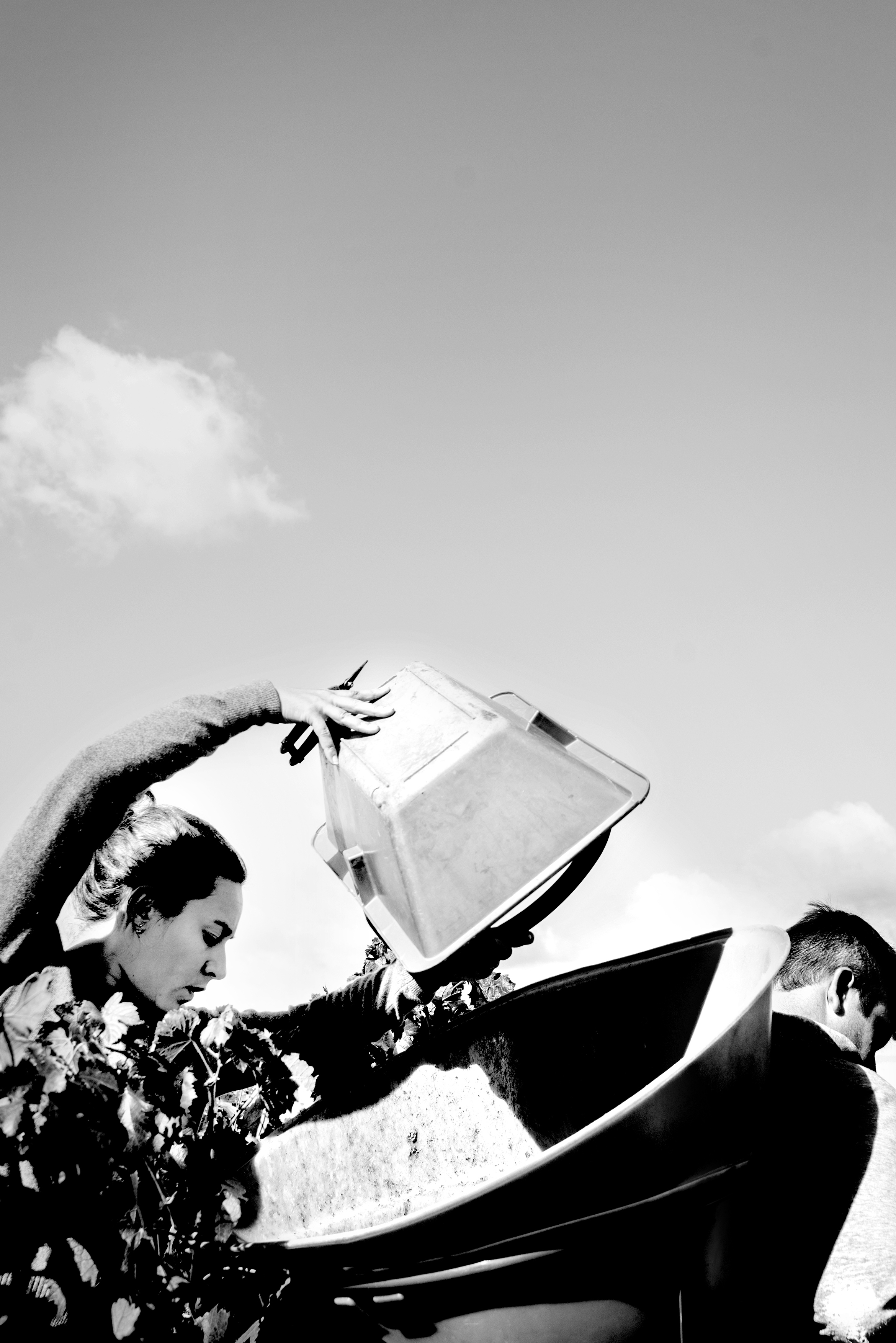
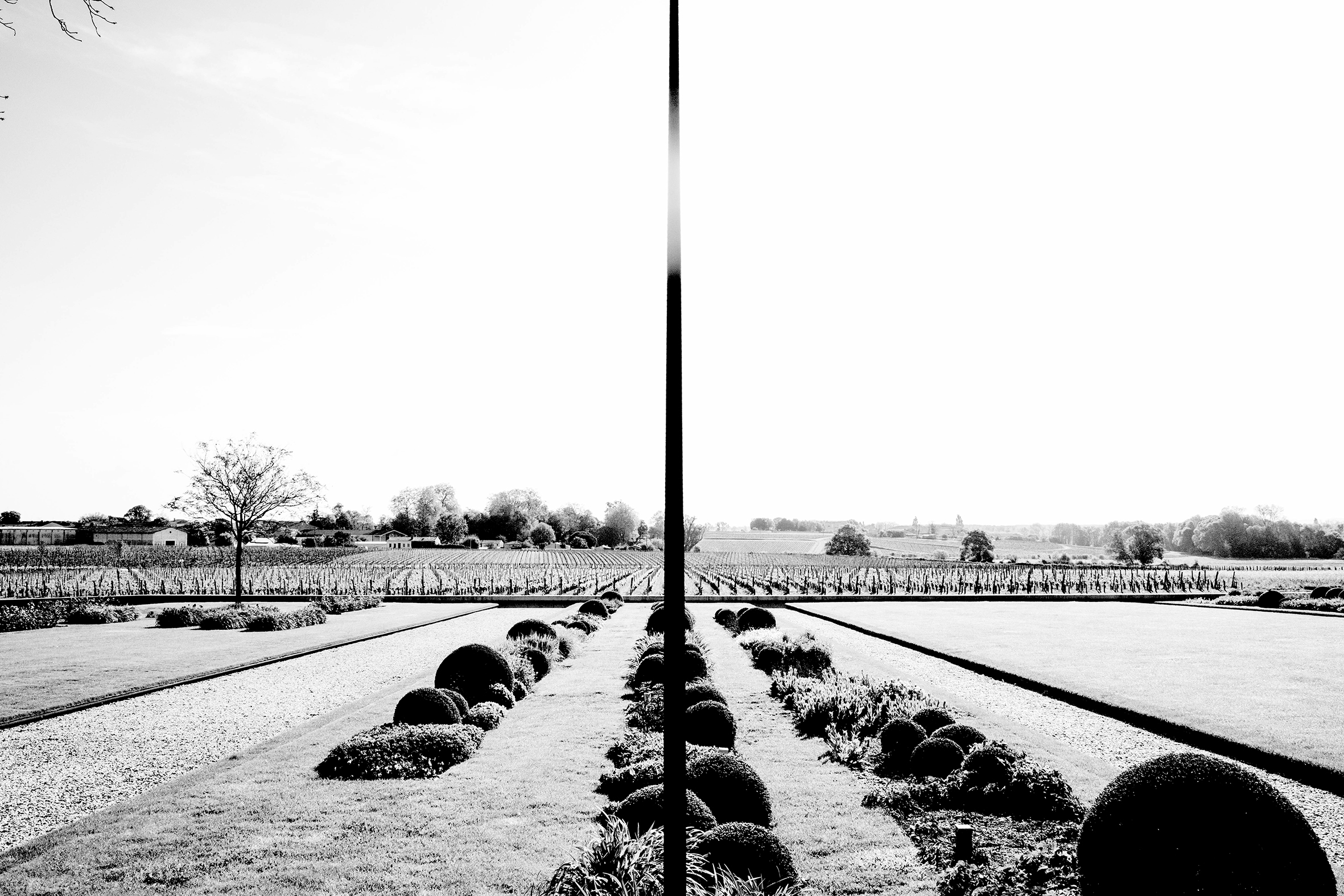

- Article and Reviews by Ivar Bjurner, Photography by Johan Berglund

PRODUCERS IN THIS ARTICLE
> Show all wines sorted by score
Ausone
Batailley
Beychevelle
Bourgneuf
Branaire-Ducru
Calon Segur
Carbonnieux
Chateau Margaux
Clos Fourtet
Clos L'Eglise
Cos d'Estournel
Croizet-Bages
d'Armailhac
d'Issan
d'Yquem
Dauzac
Doisy Daene
Ducru-Beaucaillou
Gazin
Grand-Puy-Lacoste
Guiraud
Haut-Brion
La Fleur de Gay
La Lagune
La Mission Haut-Brion
La Pointe
La Tour du Pin Figeac
Lafite Rothschild
Latour
Laville Haut Brion
Le Bon Pasteur
Leoville Las Cases
Leoville Poyferre
Lynch-Bages
Lynch-Moussas
Magdelaine
Montrose
Mouton Rothschild
Palmer
Pavie
Pedesclaux
Pichon Baron
Pichon Longueville Comtesse de Lalande
Pontet-Canet
Rabaud-Promis
Rauzan-Gassies
Rauzan-Segla
Reve d'Or
Soutard
Talbot
Tour du Pas St-Georges
Trigant de Boisset
More articles
Château Le Dôme 1997-2022
10th Sep 2026
9 tasting notes

Bordeaux 2024 Revisited
03rd Sep 2026
69 tasting notes
Château Jean Faure 2004-2023
10th Jul 2026
10 tasting notes
Bordeaux 2025 En Primeur
07th May 2026
382 tasting notes
Show all articles