30th May 2024
In Napa Valley, 2021 and 2022 are two very different vintages. It was the best of times followed by the worst of times for many estates, including Dominus.
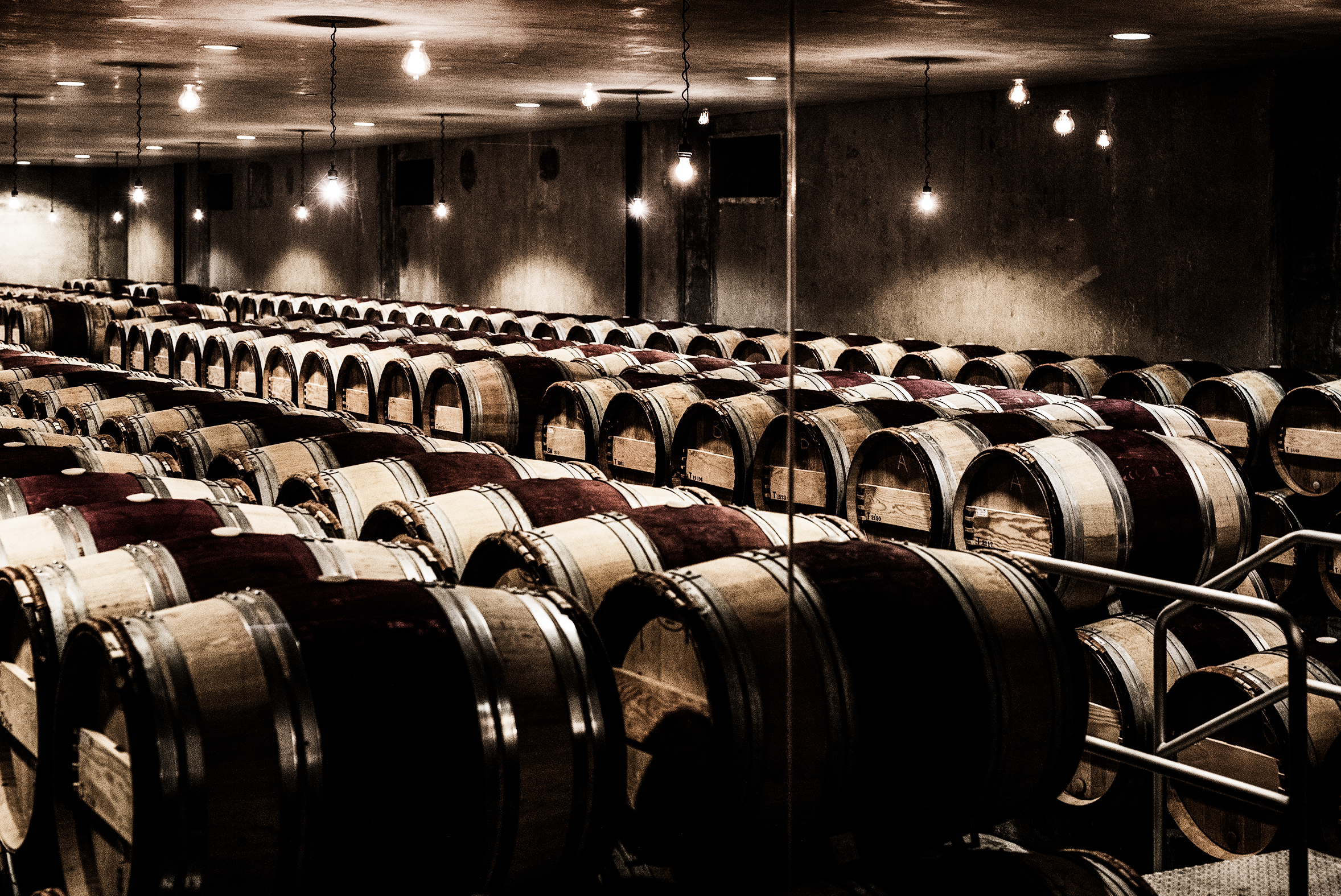
The Best & Worst of Times
"It was the best of times, it was the worst of times, it was the age of wisdom, it was the age of foolishness, it was the epoch of belief, it was the epoch of incredulity, it was the season of light, it was the season of darkness, it was the spring of hope, it was the winter of despair.”
- Charles Dickens, A Tale of Two Cities
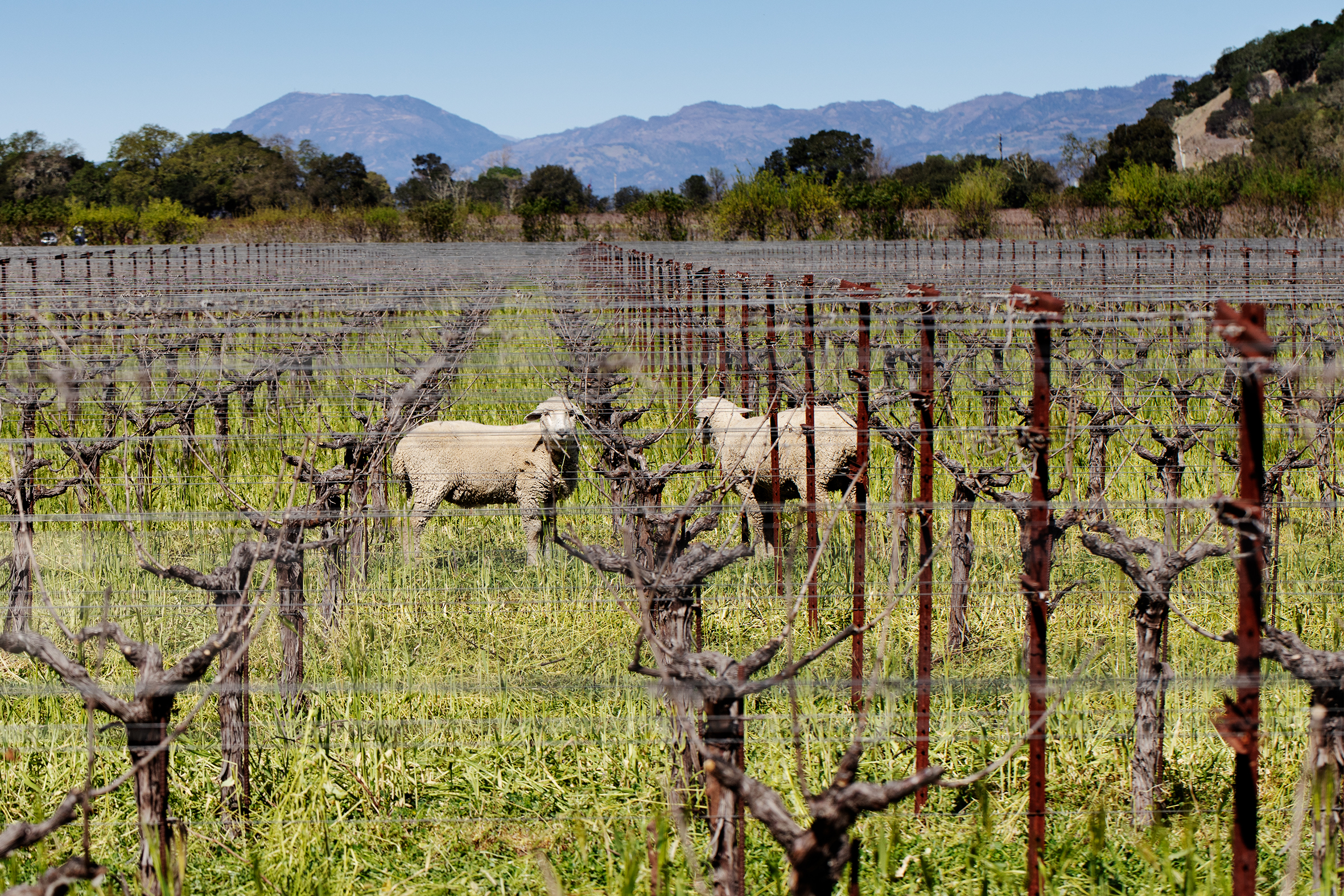
Napanook Vineyard (the source of Dominus) is one of the few dry-farmed vineyards in Napa. It receives no irrigation water except for the young vines during their establishment phase of approximately four years. The origins of dry farming this 100+ acre site can be traced back to some of the first vines planted in Napa Valley by George Yount in 1838. Of course, there was no means of effectively irrigating a large plot of land back then, so it was more out of necessity than philosophy.
Today, irrigation in Napa is ubiquitous. However, Christian Moueix, the Bordeaux-based owner of Dominus, believes dry farming is closely linked with the expression of terroir, and he has a point. If we consider that terroir is the combined effect of soil, climate, topography, annual weather, and human management on vines, grapes, and therefore wine, then we must also consider that altering water availability changes terroir.
But for most Napa vineyards, dry farming is not a philosophical choice; it’s an impossibility. Dominus is a rare site with the ability to dry farm, thanks to a naturally occurring underground water source.
“Our vineyard is mainly located on an alluvial fan coming down from the Mayacamas Mountains,” said Tod Mostero, the estate’s director of viticulture and winemaking. “The alluvial fan was formed by fast-running water from the mountains over hundreds of years, bringing silt, sand, clay, etc. Deep beneath this fan is a hard pan. It’s like concrete—nothing can pass through it. Above this pan are underground streams extending down from the mountains. And above the streams are the various soils of our vineyard. This is the key to why we can dry farm—the underground water source provides moisture to our soils and vines throughout the growing season.”
Moueix and Mostero contend that dry farming is “a proactive practice which depends on experience and constant observation.” Apart from encouraging vines to grow deeper roots by forcing them to seek out underground water sources and nutrients (rather than hovering under the drip from the irrigation line), there is evidence that using no irrigation increases resistance to drought and strengthens the vine’s natural immune system. Equally important, dry farming conserves water, which is becoming increasingly scarce in drought-prone areas such as California. (Ask any Californian farmer to comment on the problems with access to water during the 2021 growing season.)
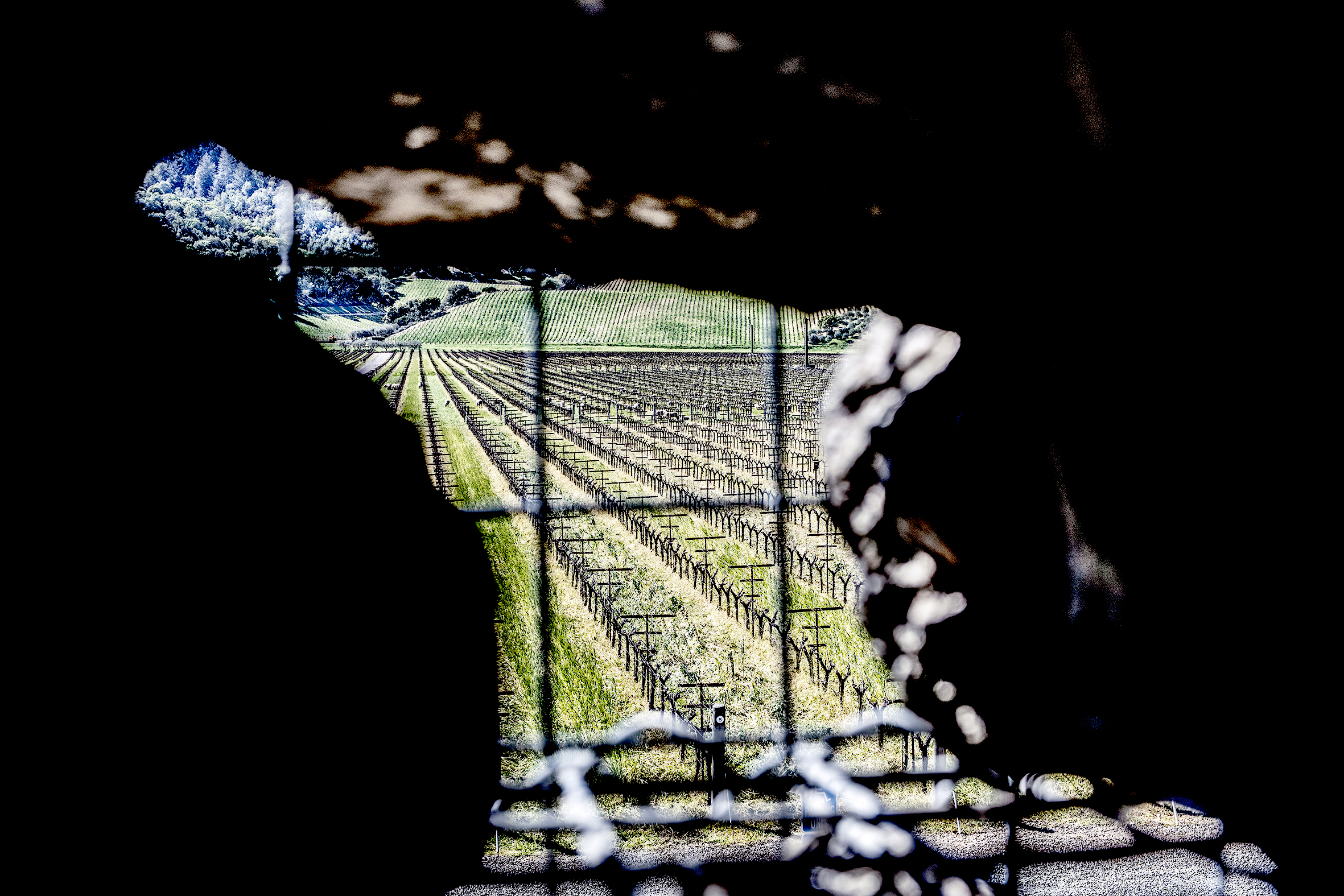
As we tasted Dominus’s newly released 2021 vintage, Tod explained, “Rainfall in 2021 was much lower than a typical year. We received 13.9 inches, less than half that of an average year. January was normal, but February through May only saw 5 inches, vs 14, which is our average. In 2021, our vines had limited amounts of water from early on and adapted to the dry spring by limiting their evapotranspiration capacity. They were like a marathon runner well trained at conserving energy with deeper roots and tighter capillary vessels. Our best years are when there is little rainfall early in the year.”
An ideal rain situation at Dominus in 2021 was matched by ideal temperatures. “April and May were much warmer than average,” Tod remarked. “June was closer to average—so from then on, it started to get less intense in terms of heat. July was near average. August is a key month, and it was absolutely average in terms of historical heat. September came in a little warmer. Overall, it was slightly warmer than average, with a push at the end. It was ideal. Our peak day temperature was at the end of August at 103 degrees (Fahrenheit). This was nothing for us.”
With near-perfect weather conditions for Dominus’ vineyard, their 2021 is a stunning wine that speaks of this singular site and stellar year. It also happens to be the year that their vineyard was certified organic.
Now for the bad news. If the "best of times" for a vineyard is when the season allows its vines to produce beautifully ripe, intense wines with little human intervention, such as in 2021, then the "worst of times" must be conditions so extreme that a wine of quality simply cannot be made, as in 2022.
“We are not making any wine from the 2022 vintage,” Tod said frankly. “No Dominus, Napanook, or our third label, Othello. The heat was too extreme; we lost color and flavor. In 2022, we had misters for about 25% of the ranch to cool the fruit zone. Even in those blocks, it wasn’t sufficient in 2022.”
Coming on the heels of an impressive but small 2021 crop, 2022 was tracking to be a relatively effortless vintage for Napa Valley until Mother Nature decided to throw growers a heatwave curve ball during the first week of September. Many winemakers were able to bring in some fruit before and during this heat event, but a significant portion of the Bordeaux varieties were not ripe at this stage. Most Napa vintners would need to ride the potentially devastating wave for a proportion of their crop.
When the heatwave hit, it was worse than anticipated. In Napa town and Carneros, the temperature reached 116 degrees on the hottest day, with a low of 69 degrees in the evening. Yountville and Stags Leap District producers reported a high of 117 degrees. Growers in Oakville and St. Helena reported highs of 118 degrees. This heat held for six straight days. The impact of such extreme, sustained heat was brutal. Throughout this period, quality would depend largely on how growers supported their vines—mainly with irrigation water and misters. Even then, the results were patchy and potentially devastating. Apart from the effects of shriveled fruit, many vines had just completely shut down after the heatwave, heading straight into winter dormancy.
Dominus is the first major Napa estate to declare they won’t make wine in 2022, and from what I’ve been hearing, they may be the only estate to do so. There’s a lot of frantic back-blending happening right now in Napa as higher-yielding, fresher 2023 wines (from a considerably cooler vintage) are incorporated into the 2022 Napa blends. (Legally, 5% of another vintage can be added.) Many wineries have been holding back on showing their 2022s as barrel samples while deliberating over difficult decisions considering quality, style, and financial pressure.
Othello
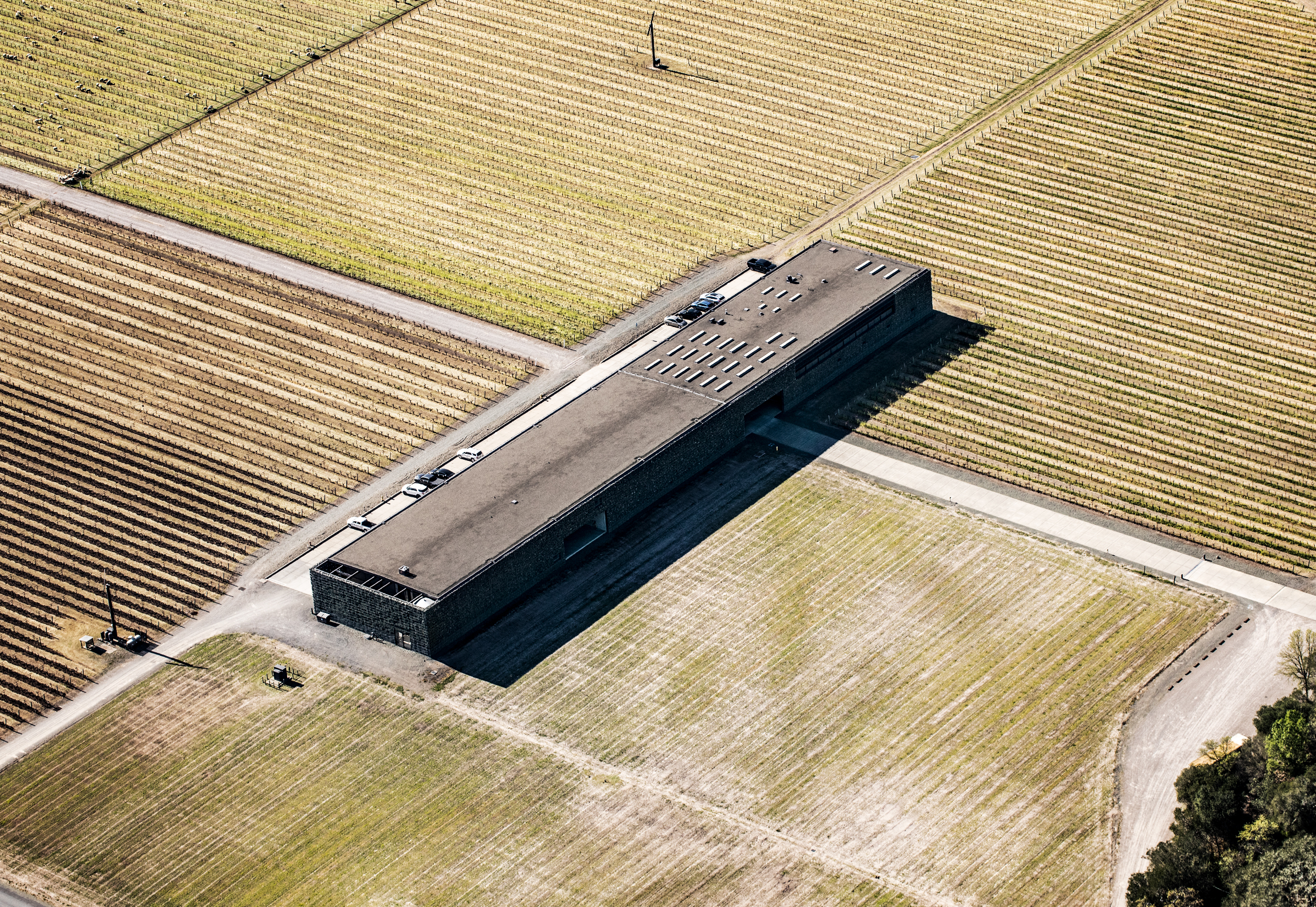
Just a few words on a new(ish) Dominus Estate wine being released in the States this year. Othello is a “third label” made from the Napanook Vineyard. It has been made since 2005 but, thus far, has only been distributed overseas. The 2021 Othello is the first vintage to be distributed in the USA.
Tod Mostero explained where Othello comes from: “The top of our alluvial fan (the area closest to the Mayacamas) is composed of rocky/gravelly soils. The section below this is mainly silt and further down are clay-based soils. Dominus tends to come from the uppermost gravelly soils. Generally, Napanook comes from the lower parts, planted on silt and clay. Othello comes from the area beyond the alluvial fan—the part of our vineyard closer to Hopper Creek and Highway 29.”
The style of Othello is distinct from Dominus and Napanook. Light on its feet, soft, bright, and with crunchy red and black fruit, it has a far more easy-breezy feel than its bigger siblings. This makes for a fun, refreshing style to be enjoyed anytime while possessing the ethos and essence of Napanook Vineyard.
–
Article & Reviews by Lisa Perrotti-Brown MW
Photography by Svante Örnberg
See more work from Svante at svanteornberg.se by clicking here!

PRODUCERS IN THIS ARTICLE
> Show all wines sorted by scoreMore articles
Bordeaux 2016 - 10 years on
28th Jan 2026
81 tasting notes

Salon 95, 96 and 97
14th Jan 2026
3 tasting notes
TWI Drinks
23rd Dec 2025
5 tasting notes
Bordeaux 2023 in Bottle
18th Dec 2025
234 tasting notes
Show all articles