13th Feb 2025
Epoch began in 2004 when Bill and Liz Armstrong bought Paderewski Vineyard in Paso Robles. They then purchased Catapult Vineyard in 2008 and the York Mountain Winery/Vineyard two years later.
“I wanted to try and make the best Châteauneuf du Pape in America,” Bill tells me. “I am a geologist, so I studied the land, weather, culture, aspects of the sun, diurnal temperatures, etc., from the Okanagan to Temecula and all the lands between. That analysis steered me to the small piece of real estate west of Paso Robles—the perfect ‘everything’ to make the type of world-class wine I wanted to share with my best friends and family.”
Bill and Liz found not only the ideal plots of viticultural land but also properties of historical relevance. Add an artistic winemaker with an engineering background, and twenty years on, they are now combining science, history, and art to create Epoch wines for the ages.
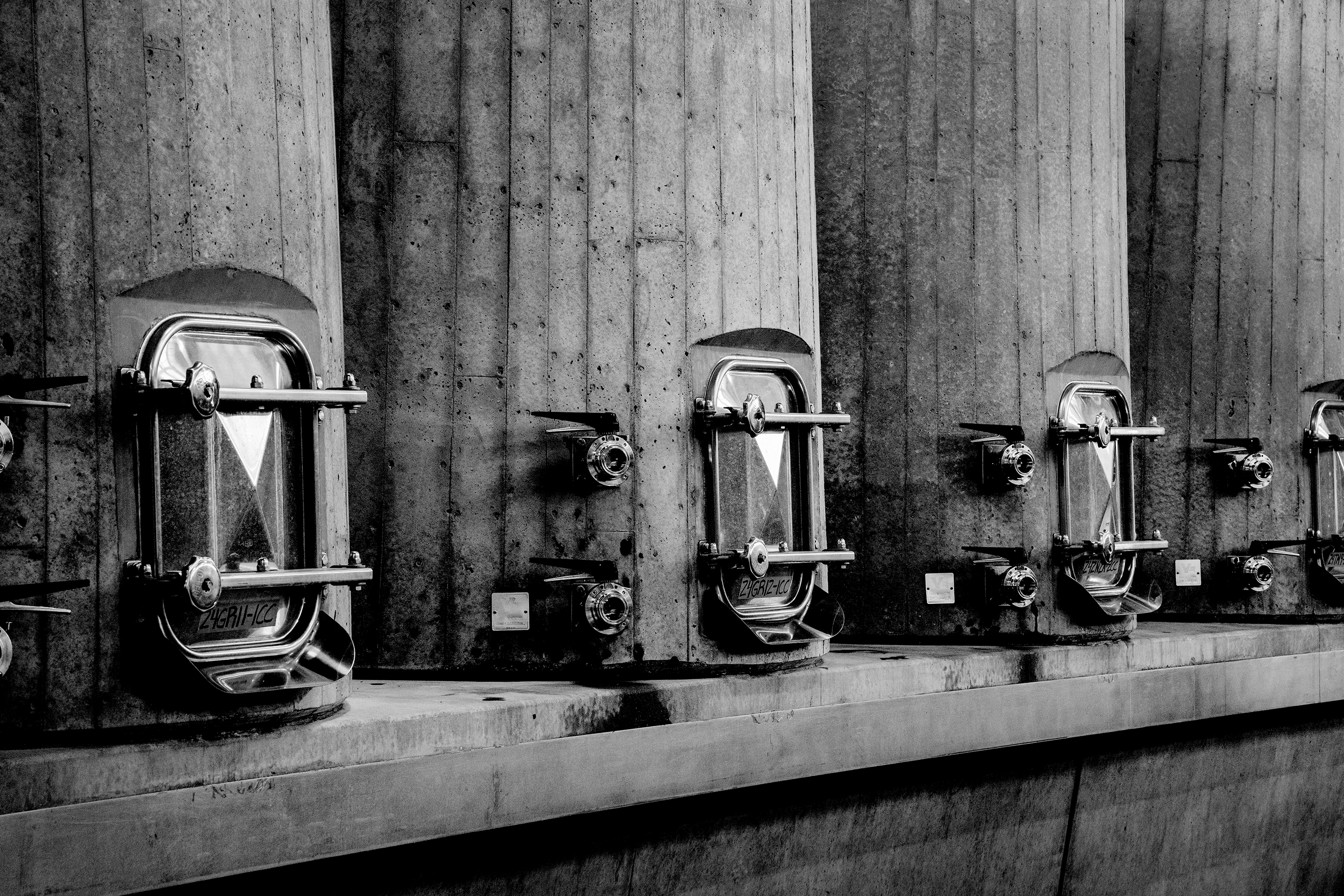
For the Ages
Bill Armstrong caught the wine bug relatively late in life, in his late 30s.
“Prior to that, I was a beer and tequila guy,” he laughs. “Growing up on the wrong side of the tracks in Texas, I never even sipped a fine wine until then. I was at a deal closing where a Stags Leap Cabernet was poured, and tangentially, that altered the course of my life. I couldn’t believe anything so good could be in a glass. My life was awesome before I became a wine producer, but wine took it to a whole new level.”
Following that fateful sip of Napa Cab, Bill became obsessed with wine.
“I started reading all I could about wine,” he says. “Maybe a hundred different books. I would buy the best wines I could afford at the time. Eventually, I couldn’t get enough, so I took an amazing wine course by the International Sommelier Guild that was taught by an incredibly engaging gal, DJ Kearney, from Vancouver, Canada. She fanned the flames of my love of wine. Through her training, I fell in love with the wines of Châteauneuf du Pape. In that class I really began to really appreciate the importance of wine and place. Right soils + right climate + right culture = world-class wines.”
Bill and Liz began by planting classic Rhône varieties—Grenache, Syrah, and Mourvedre—as well as Petite Sirah, Tempranillo, Zinfandel, Grenache Blanc, and Picpoul Blanc. By a stroke of fortune, Bill and Liz discovered that the land they had homed in on had a rich history, once owned, planted, and cherished by Polish pianist and Prime Minister Ignacy Jan Paderewski. Then, in 2010, they bought the old York Mountain property, the site of the first bonded winery on the Central Coast.
"We were unbelievably lucky to find the best sites that collided with historic relevance," says Bill.
“It wasn’t something that we were looking for or hoping to find. Without a great location you can’t make a great wine. Without a great site, you can’t grow the best fruit, and without the best winemaker, you can’t make the greatest expression of that place.”
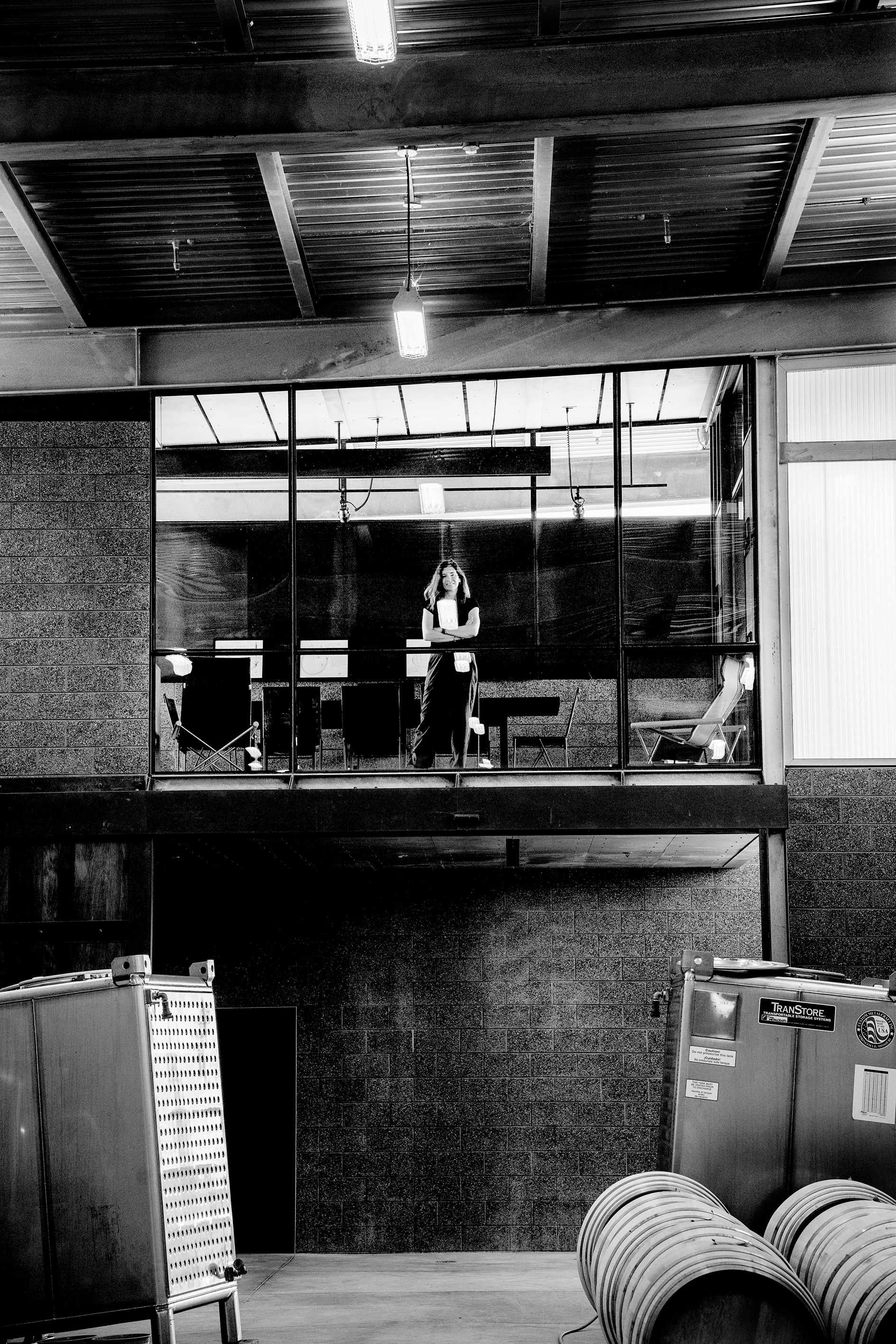
In 2010, the final piece of the Armstrong’s Epoch puzzle fell into place when Jordan Fiorentini applied for a winemaking job. Jordan has an undergraduate degree in engineering from Dartmouth and went on to do her master’s degree at UC Davis. Today, she is the Vice President of Winemaking and Vineyards at Epoch. How did she get from engineering to winemaking?
“When I finished my four years at Dartmouth, so many of my friends were going into management consulting and getting jobs on Wall Street or in Boston,” recalls Jordan. “I knew that wasn’t for me. I’d also been studying in STEM but trying to fit as many visual arts into my schedule as possible. So, I knew I wanted to somehow combine art and science in what I did every day. I wanted to make something with my hands. My parents loved wine, and while growing up in Atlanta, Georgia, I knew that winemaking existed as a career, unlike many other Southerners. So, I decided to pack my bags and head west for the 1999 vintage—my graduation year. I thought I was going to just do a fall in Napa and come back to Dartmouth to complete a joint MBA/Engineering program. But I caught the bug and decided to apply to UC Davis’ Master of Science in Enology instead of going back to New England. It was a narrow path, but one I have never regretted.”
Are there similarities between engineering and winemaking?
“I can say wholeheartedly that yes, there are so many overlaps between winemaking and engineering,” says Jordan. “There are the obvious background requirements. Both school degrees require a strong science backbone—math, physics, chemistry, and biology. But from a more overarching view, engineering is basically about problem-solving and choosing the best possible outcome, given a lot of inputs. That is basically winemaking, but with a bunch of artistic decisions thrown in, which is what I try and push after studying and experiencing the more scientific side of winemaking.”
One way Jordan has woven wine and art together with remarkable flair is through her creation of what she calls "Vinpressions."
“I had a great mentor in my early career of winemaking, Steve Leveque at Chalk Hill, who showed me the importance of focusing on the palate of the wine when making winemaking decisions—from harvest to fermentation to barrel choices to blending,” explains Jordan. “This emphasis on the palate drove me to become hyper-focused on the texture of wine. At Chalk Hill and afterward, at Epoch, I did the usual verbal writing of my tasting notes, but as I got to know our sites and wines better and better, I started to feel I could not express the full character of the wine with just words. Texture is so hard to describe in words for me, but easier to show as shapes on paper that demonstrate the temporal experience of a wine’s texture across the palate. I am a very visual and hands-on person, and with my visual arts background, I started doodling in my tasting notebook drawings of the palate of the wines. When I told Bill this, and how I maybe wanted to better convey my thoughts on the wines to the consumer, he encouraged me to draw my tasting notes. So, I started drawing the palate of Epoch’s red wines in conjunction with written tasting notes with the release of our 2010 reds. Now I have over a hundred Vinpressions of the wines at release every year.”
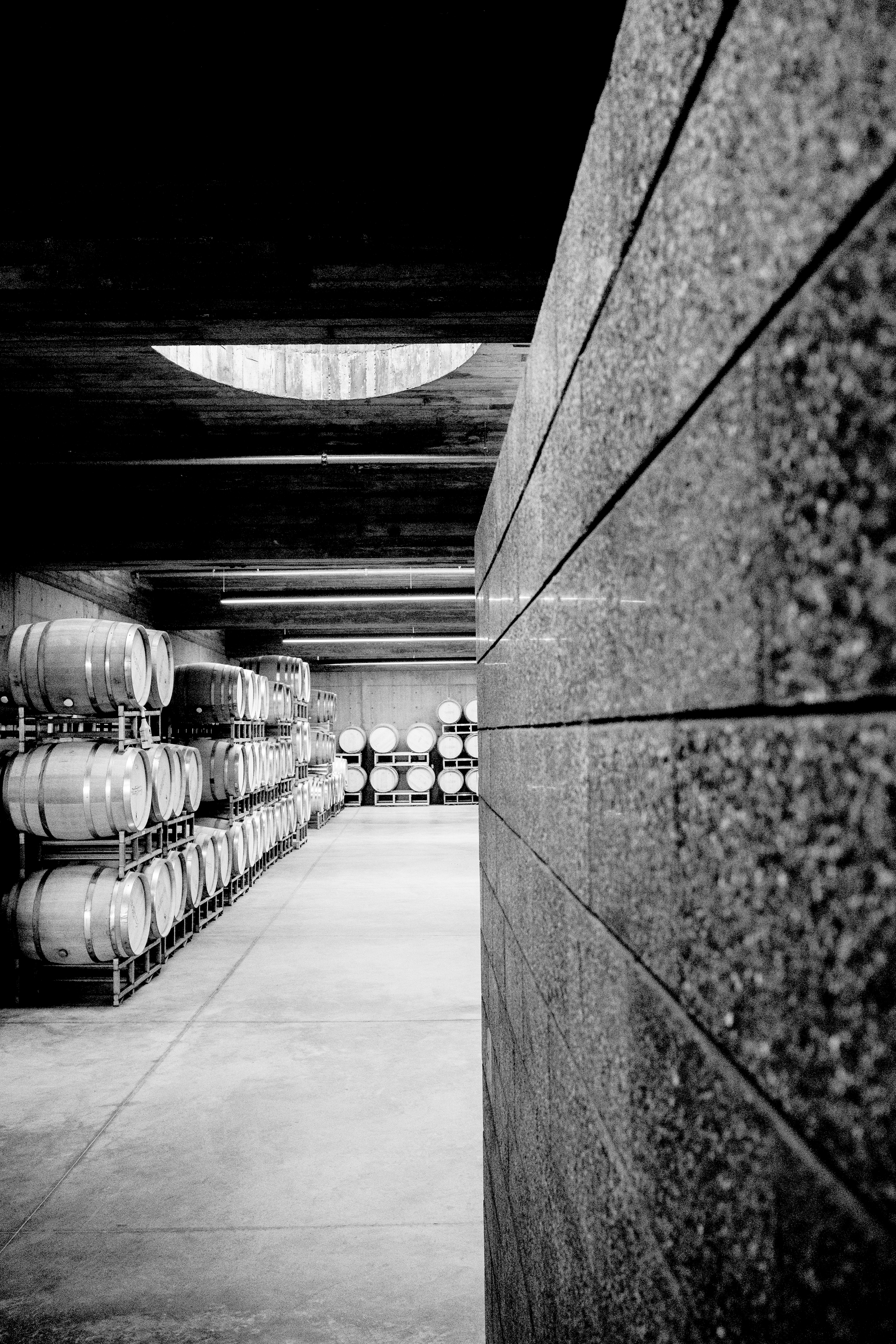
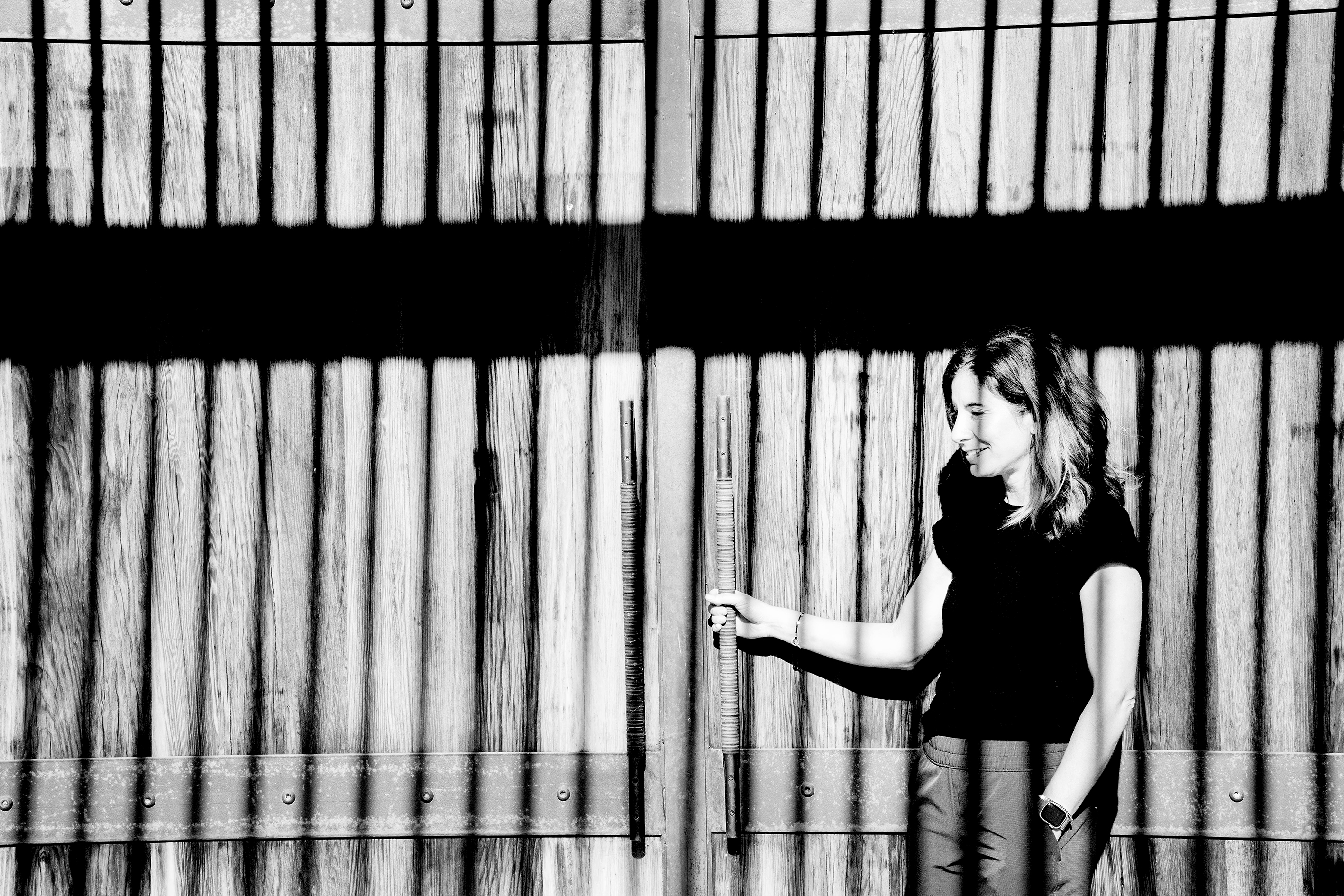
Winemakers come and go with increasing frequency these days, often to the detriment of the winery. It takes time for a winemaker to fully understand a vineyard. Jordan has remained with Bill and Liz at Epoch for fifteen years and is today making some of the region’s (and the world’s) very best wines. What keeps her at Epoch?
“I feel like the day I met Bill and Liz Armstrong on the porch of their doublewide trailer at the Paderewski Vineyard, I won the lottery,” Jordan remembers. “At that moment, Epoch did not have a winery, Paderewski was in its infancy, and we had made our first few vintages at Denner Vineyards. I always joke that interviewing is like being on a first date—everyone is on their best behavior. I was unsure about leaving a prestigious winemaking area and position in 2010 to take a chance on Paso. But I knew that the winery I was working at would likely sell to corporate ownership, and Bill and Liz had proposed such an incredible opportunity for overseeing vineyards and winemaking, with a new winery eventually to be built. More than anything, they seemed like incredible people, the wines from Paso were showing so much untapped potential, and I really liked the Central Coast vibe. So, we packed up our bags and moved to Paso in the spring of 2010. What I thought was a good decision, ended up being one of the best decisions of my life, and definitely of my career. My job at Epoch allows me so much creative and personal freedom to explore the possibilities of winemaking, grape growing, business, and artistic development. I couldn’t ask for better and more supportive partners in this endeavor than Bill and Liz. I attribute so much of my success to their believing in me and what Paso can achieve given their ‘no holes barred’ positive attitude. My children have been raised here, my husband has his business here, and somehow, I feel like the early days of Epoch were yesterday. I love where we’re at now, with so many varied vintages under my belt, and excited to see us evolve into this more established phase of Epoch’s story. I feel very connected to the land, our past vintages, the just bottled ones, and remain excited for those to come. Winemaking and grape growing, like wine, are not stagnant. Every day, my job is different, and every vintage brings something new. It just doesn’t get old!”
-
Article & Reviews by Lisa Perrotti-Brown MW
Photography by Johan Berglund

PRODUCERS IN THIS ARTICLE
> Show all wines sorted by scoreMore articles
Château Le Dôme 1997-2022
10th Sep 2026
9 tasting notes

Bordeaux 2024 Revisited
03rd Sep 2026
69 tasting notes
Château Jean Faure 2004-2023
10th Jul 2026
10 tasting notes
Bordeaux 2025 En Primeur
07th May 2026
382 tasting notes
Show all articles