22nd Aug 2024
Planted in the 1960s to Chardonnay and Pinot Noir under the guidance of Louis M. Martini and André Tchelistcheff, Haynes Vineyard maintains the oldest plantings of these varieties in Napa Valley. This was among the first commercial vineyards in one of the valley’s coolest sub-regions: Coombsville. The fruit from this site was sold to local wineries for nearly fifty years. And so, until recently, it never had a chance to reveal its voice. In 2019, Haynes Vineyard was bought by Gaylon Lawrence, who had bought Heitz Cellar the year before. Soon after, a small winery was established on-site, and Kosta Browne’s Nico Cueva was coaxed over as winemaker to help this singular site find its own voice.
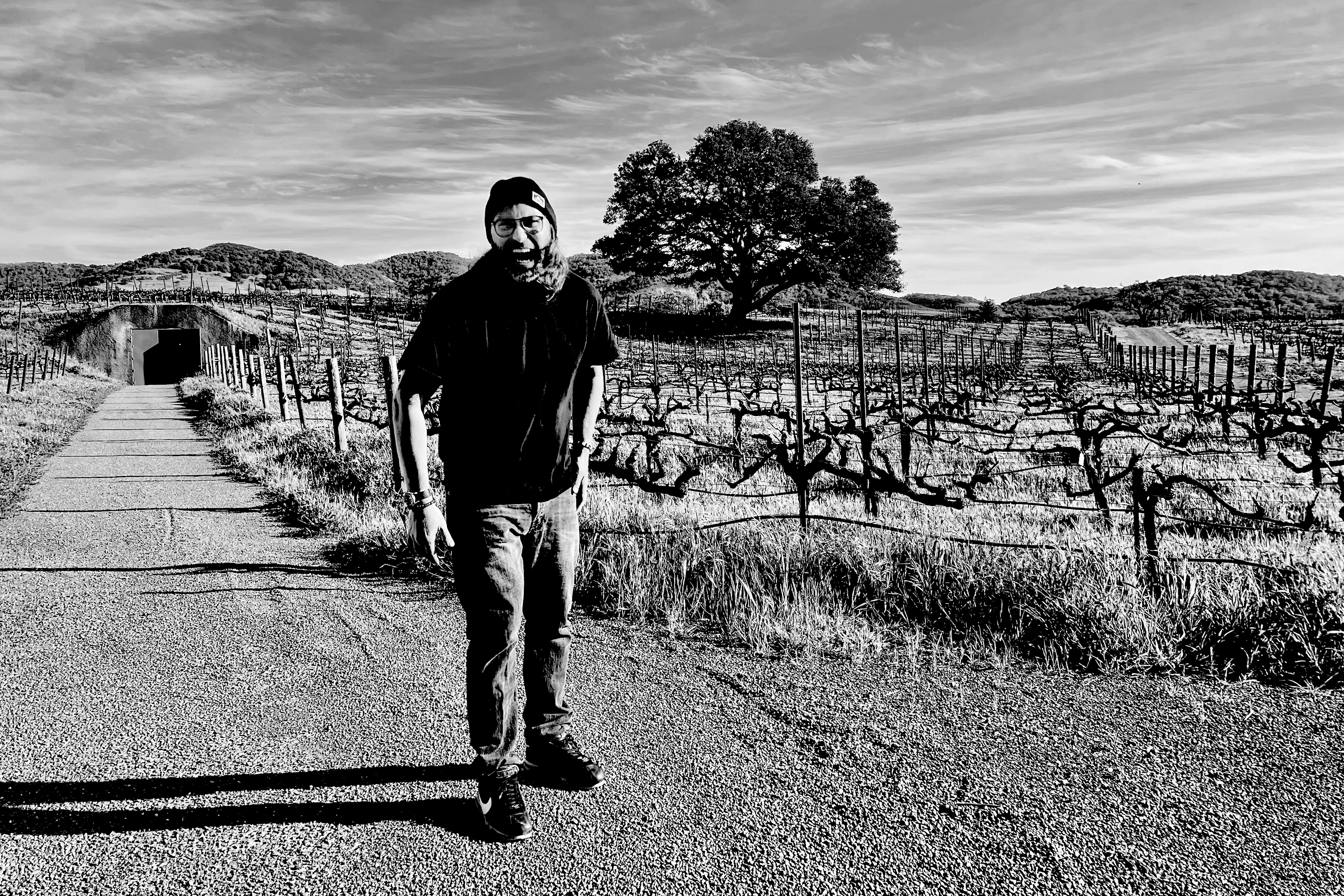
The Voice
“What’s interesting is that Gaylon and I never had a plan to expand or grow,” said CEO and managing partner of Lawrence Wine Estates, Carlton McCoy, MS, as we wind our way through the bucolic road maze of outer Coombsville. “The Haynes opportunity literally fell on our lap. I was in the office and got a cold call about a property in Coombsville. I was delighted to find out it was the famed Haynes Vineyard. I had had many great wines from this terroir and knew that this was a once-in-a-lifetime opportunity to purchase a vineyard with such incredible soils and extremely healthy old vines. A dream.”
In 2019, shortly after Kosta Browne was purchased by Duckhorn, Carlton approached Nico Cueva with an opportunity he couldn’t refuse.
“I met Nico years ago and was truly impressed with his philosophical approach to winemaking,” said Carlton as we drove through the vineyard gate. “At the time, he was overseeing the winemaking at Kosta Browne. And while he had turned the ship to produce more elegant wines, he couldn’t go all in. I knew he was at the point in his winemaking journey where he needed to connect with one piece of land and hyper-focus on creating something special. I called him. We walked the vineyard, and we were working together two weeks later.”
Sporting a salt and pepper beard, shoulder-length hair, smoky sunglasses, and a beanie, Nico Cueva has the socially unhinged look of a Pinot genius living his best life.
“At first, I wasn’t convinced about Coombsville Pinot,” laughs Nico when I ask what lured him from Sonoma to the dark side. “But then I saw this place.”
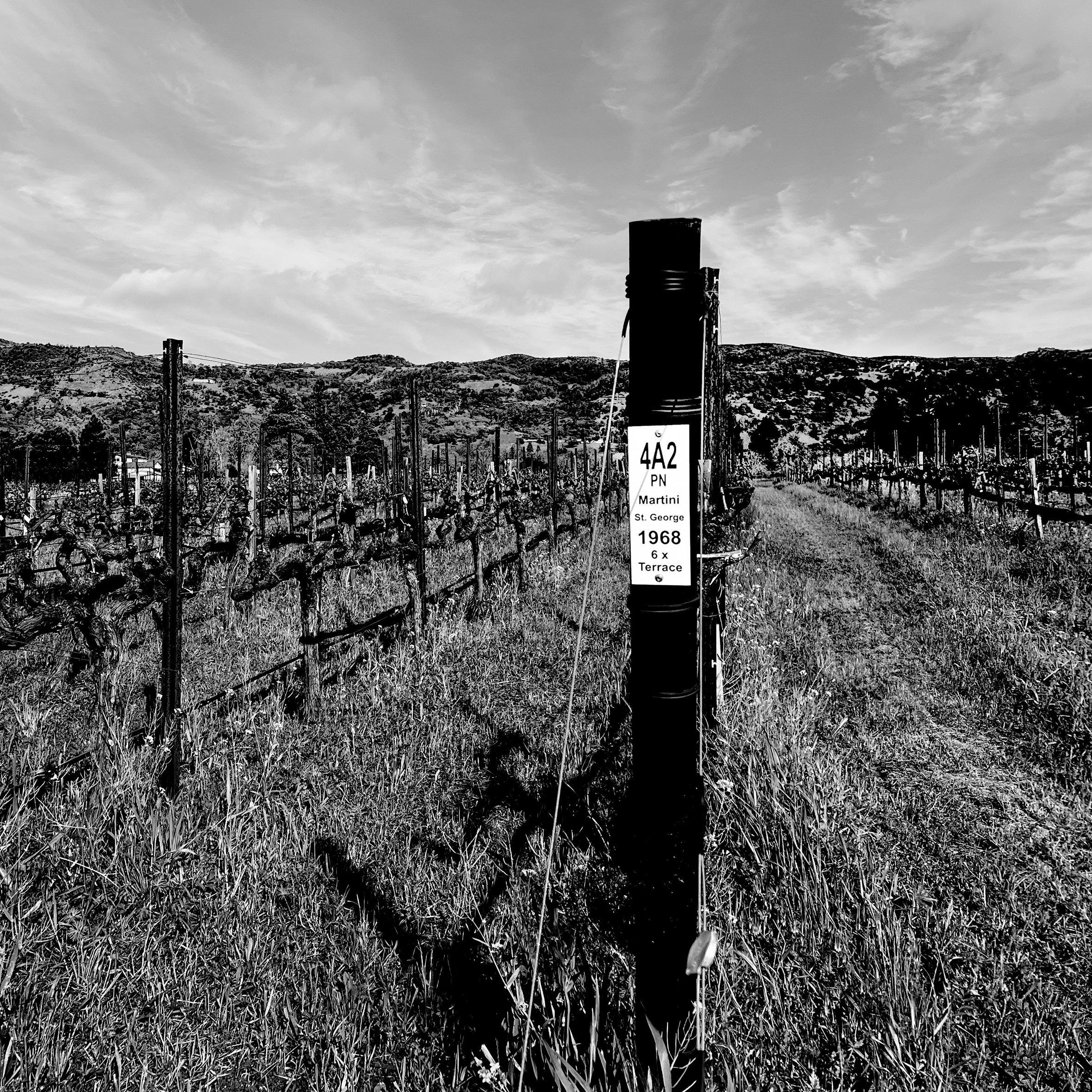

At 43 acres in total, with over 30 acres planted to vines, this is a site of significant size. What’s surprising is that almost all of it is old vines in all their thick-trunked, twisted, gnarly splendor. I pass a vine post marked “CH Wente St. George 1968.” Further on, we arrive at a row marked “PN Martini St. George 1968.” The planting material is a California heritage clone treasure trove.
"The soils here are some of the most extraordinary soils I’ve encountered," said Nico as we walked a row of 56-year-old Pinot Noir vine trunks. "It’s very chaotic. Fascinating. It’s volcanic here, but you step a few rows over, and it’s diatomaceous, then tufa, then clay, etc. It creates a complexity I’ve never seen before. This is everything all in one place."
Nico points out the elevated landscape that encircles this part of Coombsville. Haynes Vineyard sits within the vast collapsed caldera of an ancient volcano, which partly accounts for the wide variety of soil types.
For the tasting, we head into a small cave carved into a hill in the center of the property—the barrel cellar. Haynes Vineyard has been producing its own label since the 2020 vintage. We tasted the current releases, including their three 2021 Chardonnays and the 2022 Pinot Noir and Syrah.
“About 60% of our vineyard is Chardonnay,” said Nico. “We produce three labels. ‘Vigneron’ is about what we grow. Everything is estate fruit. ‘Forgeron’ is a reference to what we build. It’s made from some of the oldest vines on the property. ‘Corazon’ is the heart of the vineyard, the tete de cuvee.”
The Chardonnays are made using traditional methods, including naturally occurring barrel fermentation, full malolactic fermentation, minimal sulfur additions, and nearly two years in barrel. These 2021s are out-of-the-gate phenomenal, each possessing modest alcohols of 12.9-13.05%, yet they are packed with a mind-boggling array of tightly-knit flavor layers.
The Pinot Noir and Syrah spend less than a year in barrel, with 75% whole cluster employed for the Pinot and 100% for the Syrah. I’m surprised to learn that the Pinot is only 12.3% alcohol, yet it comes across as a mouthful of pure flavor energy.
Nico nodded with a big grin. “This style of Pinot is no longer made. I’m actually making wine again! This is not to throw shade on what I did before. But this is unique.”
“While I’m grateful for those that purchased fruit for so many years, I feel that great terroir deserves a singular voice,” added Carlton. “One team focused and committed to connecting with the place to craft singular wines that could come from nowhere else. The challenge here was to build that team with people that I felt I could be on the same page with, a team that understood the mission and the vision and could continue to evolve.”
For wine lovers looking to experience a melodious, whispery voice that intertwines heritage with the intensity of mature vines, beguiling terroir, and the weightlessness of a cool climate, these latest Haynes Vineyard releases are for you.
-
Article, Reviews & Photography by Lisa Perrotti-Brown

PRODUCERS IN THIS ARTICLE
> Show all wines sorted by scoreMore articles
Château Le Dôme 1997-2022
10th Sep 2026
9 tasting notes

Bordeaux 2024 Revisited
03rd Sep 2026
69 tasting notes
Château Jean Faure 2004-2023
10th Jul 2026
10 tasting notes
Bordeaux 2025 En Primeur
07th May 2026
382 tasting notes
Show all articles