18th Jul 2024
Rome wasn’t built in a day. The 1970s and ‘80s were critical Napa Valley foundation-laying decades, blazing the trails to today’s wine empire. St. Helena, Yountville, and Napa were just one-horse-towns back then, while the valley transitioned from being mom-and-pop orchard fruit growers into a growing community of small, family-owned wineries and vineyards: Diamond Creek, Chappellet, Heitz, Stag’s Leap Wine Cellars, and Stony Hill, to name a few. Fifth-generation Napa native John Kongsgaard remembers the construction of this region’s wine industry infrastructure well, having paved many of those roads himself.
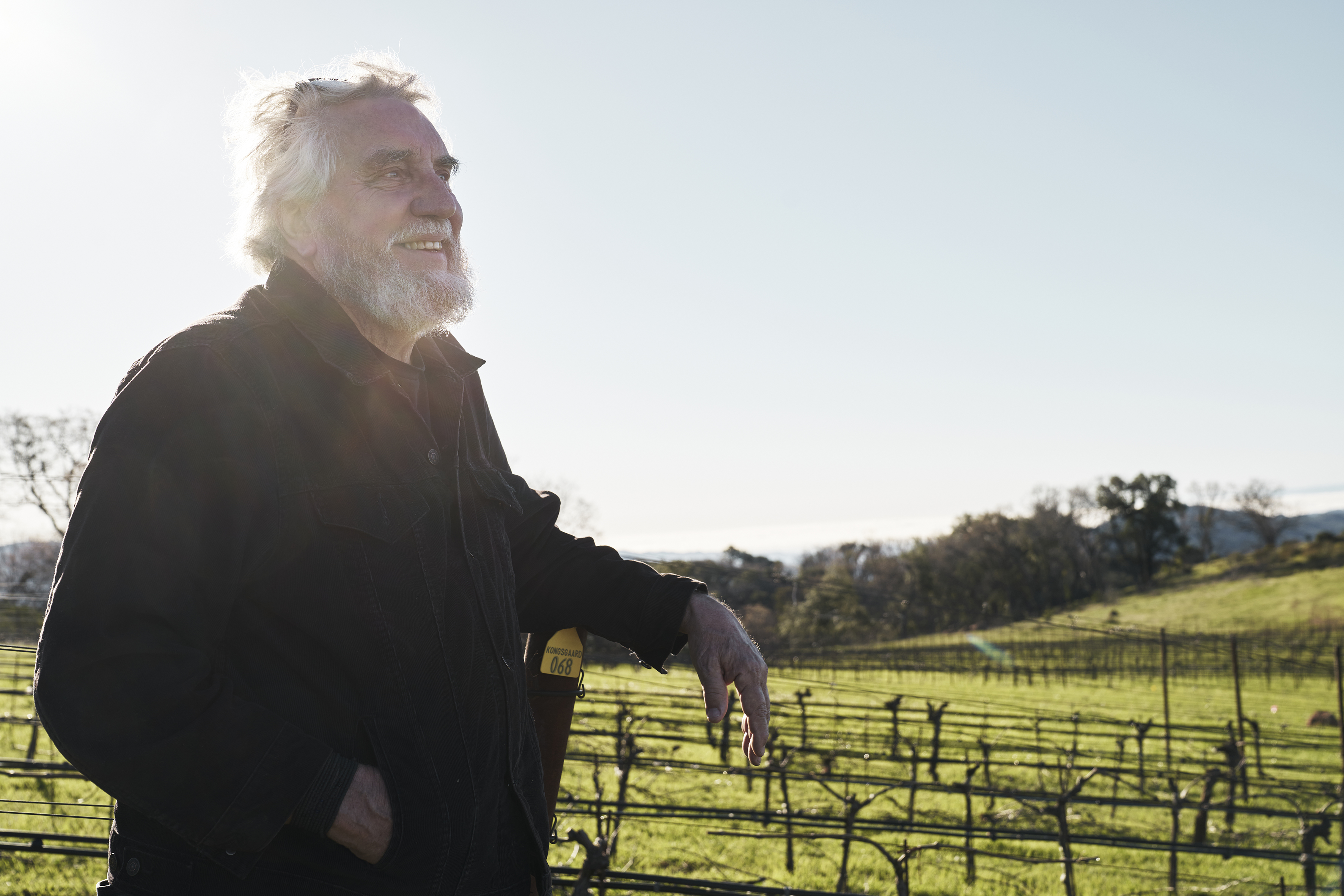
All Roads Lead to Kongsgaard
A direct descendent of American frontiersman and heroic legend Daniel Boone, John Kongsgaard’s family was among the first European settlers to come to Napa.
"Daniel Boone was my 5th great grandfather," John explains.
“Specifically, Lilburn Boggs married Daniel Boone's granddaughter, Panthea. Boggs was the governor of Missouri, and after his controversial term as governor (he threw the Mormons out of Missouri), he came by wagon train to California and worked for General Vallejo when California was still part of New Spain (Mexico). He settled in Napa and served in the early California government.”
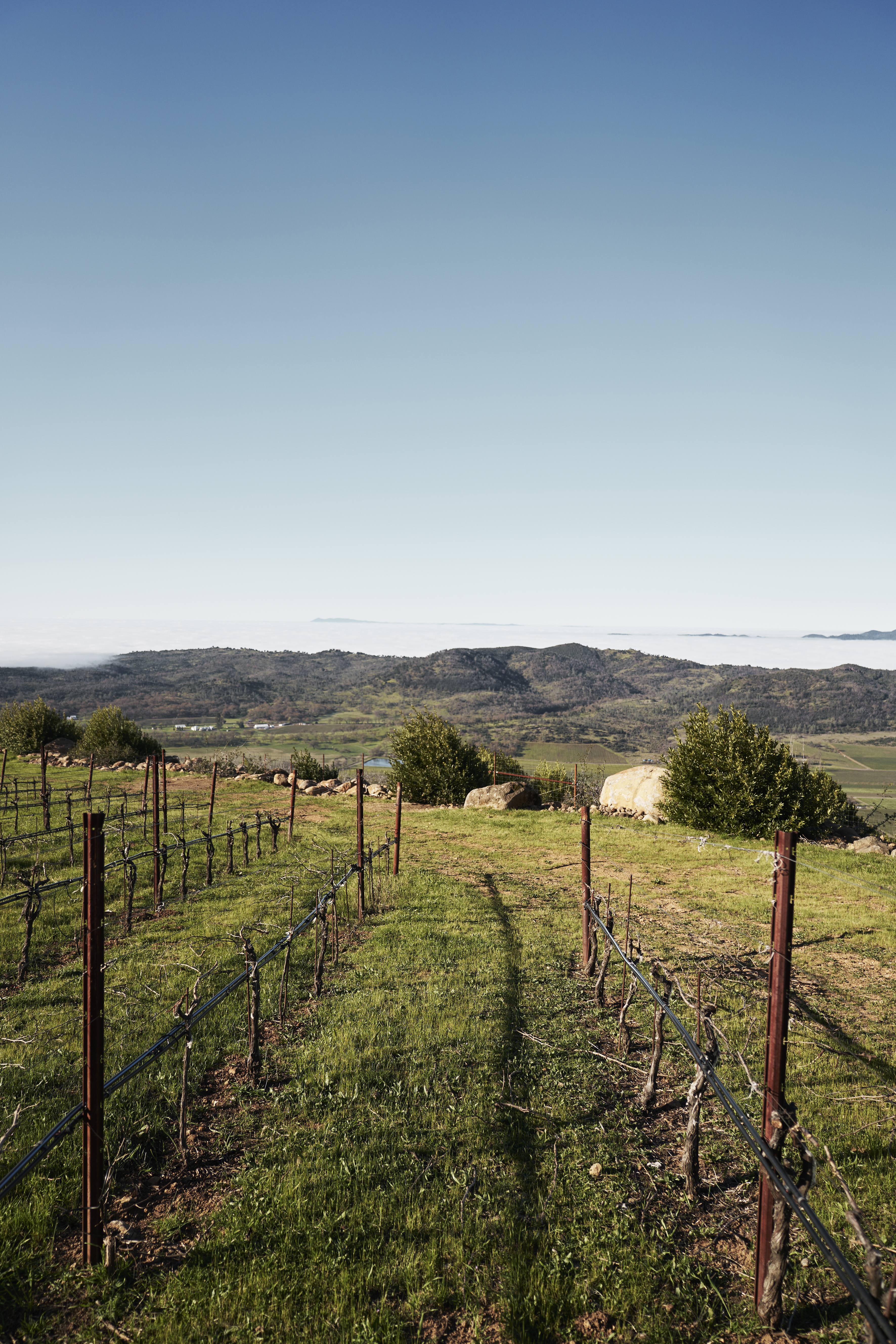
John grew up in a Napa that existed before the glamorous Michelin-star restaurants, luxury hotels, and elaborate tasting room experiences.
“Napa was very sleepy when I was a kid,” he says. “My dad was the Superior Court Judge and THE prominent civic figure; he knew everybody. The only restaurant in town then was The Depot, a great Italian joint. We went to San Francisco to a fancy restaurant to celebrate my mother's birthday. The first day of school moved around according to the prune harvest because the kids helped pick the prunes.”
The 1970s saw the slow decline of the valley’s fruit orchards, while it was a boom decade for vineyard plantings. John enrolled in the viticulture and enology program at UC Davis and began working at wineries, including harvests at Stony Hill in 1975 and Stag’s Leap Wine Cellars in 1977. Among his mentors were Fred McCrea (of Stony Hill), Warren Winiarski (Stag’s Leap), and André Tchelistcheff (winemaker/consultant at Beaulieu Vineyards and many others).
“André Tchelistcheff was our near neighbor on Stonecrest Drive,” recalls John. “He and my dad, the Judge, and my mother were social friends.”
Stonecrest Drive is on the east side of Napa, approaching the Coombsville AVA. Today, this area has become entangled in Napa’s suburban sprawl, but in the 1970s, it was still very rural. The Kongsgaards owned a home on Stonecrest Drive and a substantial piece of farmland.
“The land was acquired by my grandfather, Al Streblow,” says John. “They built their house there in the late 1920s, and my mother grew up there. My aunt and uncle, and my parents built their houses on the ranch as well, so we were one big happy family with my cousins and sisters and a bunch of horses and cattle. Grandfather Streblow was a rancher, so there was livestock there until I planted the first grapes in 1975.”
It was André Tchelistcheff who advised John to plant Chardonnay at Stonecrest Drive.
"I just blindly followed André," says John. "I got the Old Wente Clone from Stony Hill."
The Kongsgaards still have 20 acres at Stonecrest Drive, with around six acres planted.
“The soil there is volcanic and shallow—never more than three feet deep,” John says. “The site is very vigor-limiting; we average about one ton per acre of small clusters of tiny grapes—hence the concentration. A lot of the vineyard was replanted in 1990. The original planting was partly St. George rootstock but mostly AxR. So, the vines from 1990 are now old vines in their 30s. The conditions are so difficult, the 30-year-olds’ trunk diameters are mostly only two inches thick.”
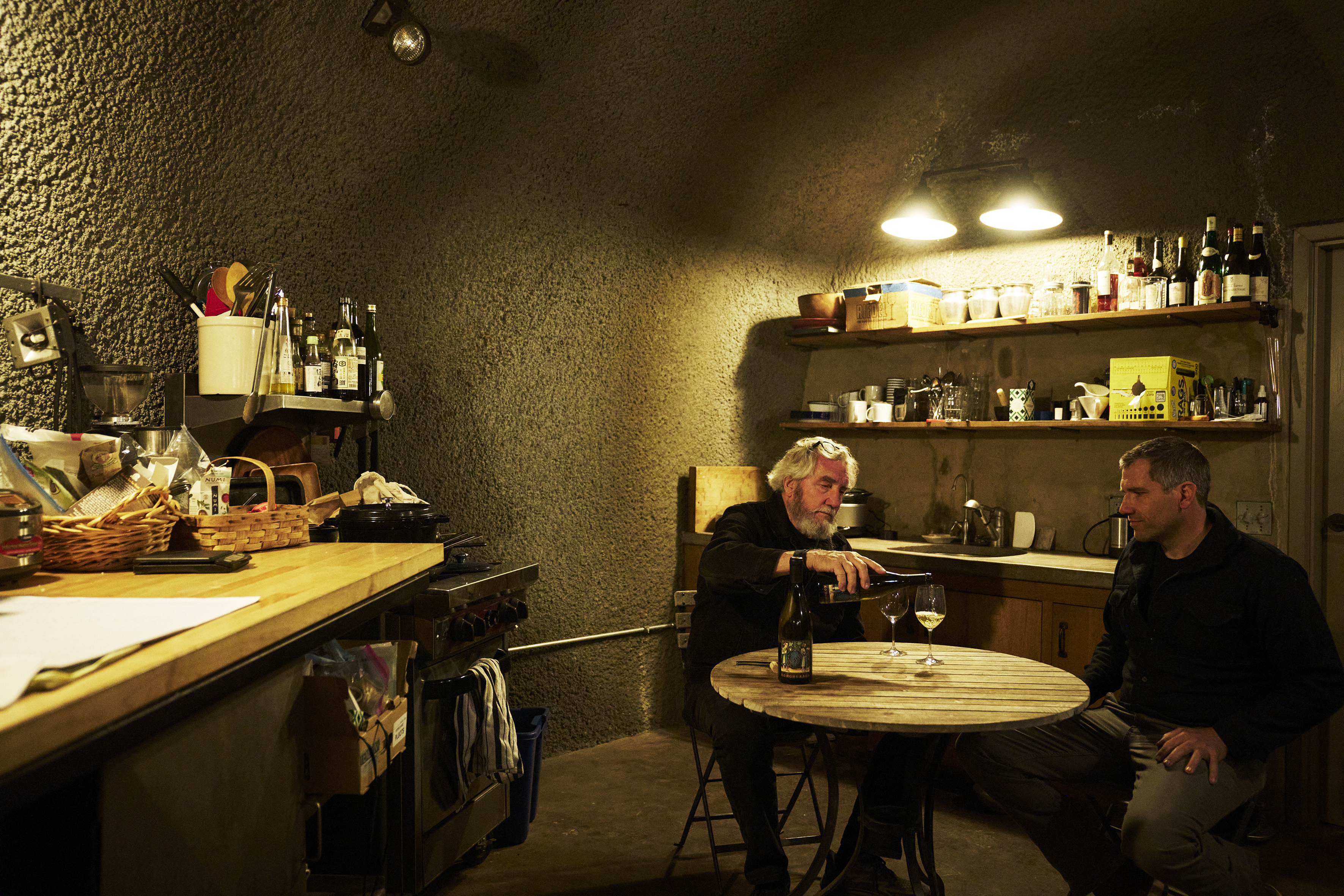
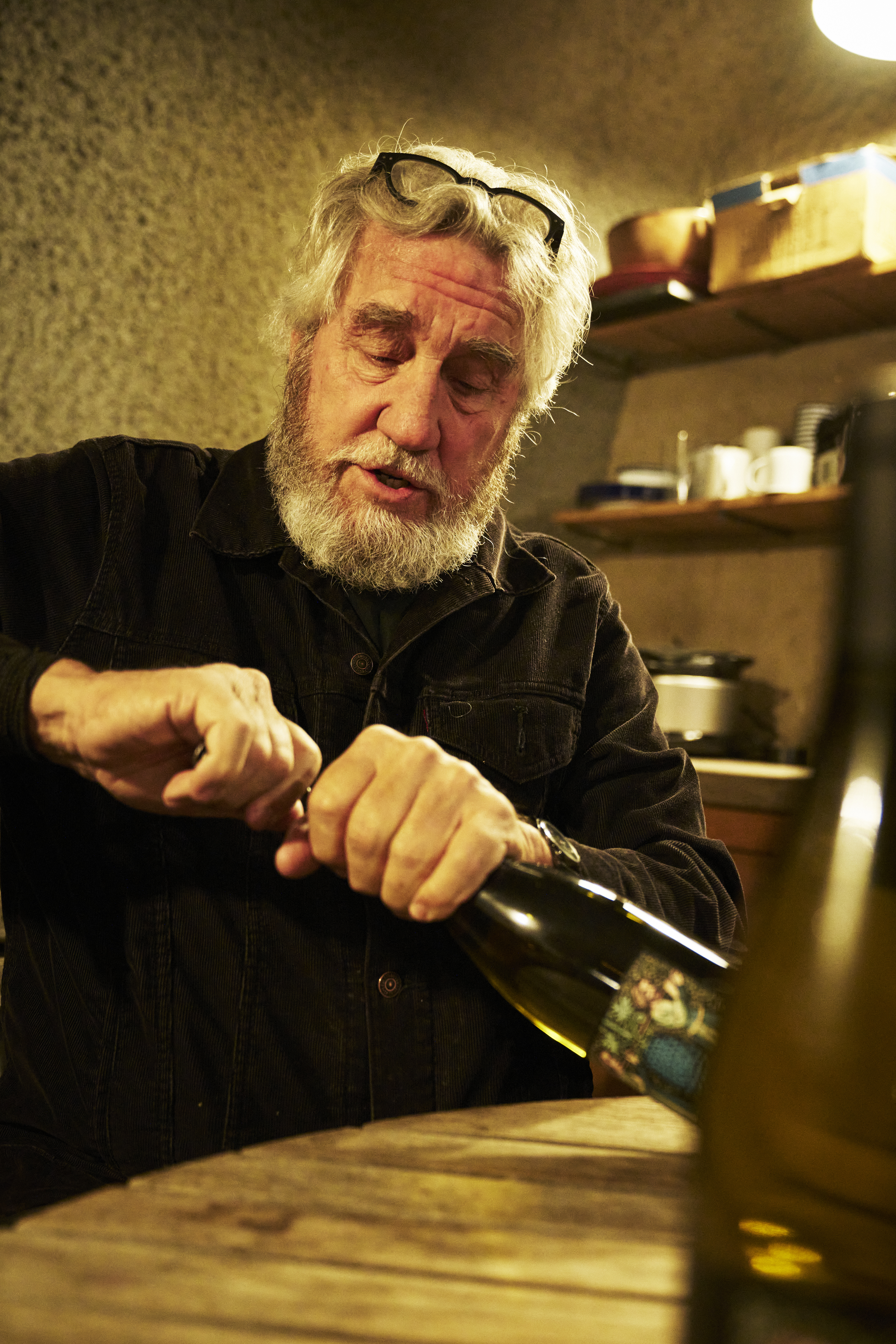
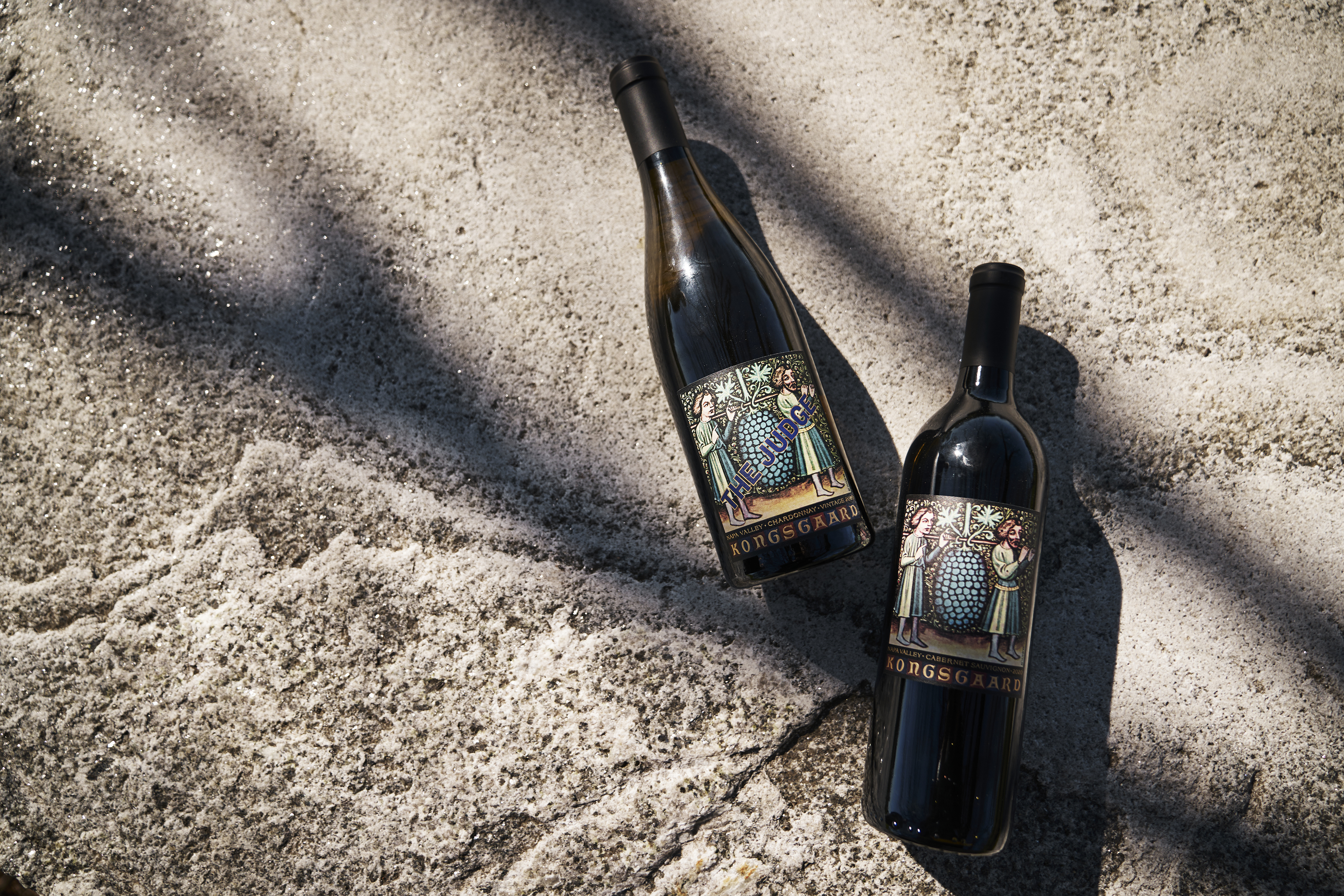
Today, the Chardonnay site on Stonecrest Drive is known as The Judge Vineyard, a tribute to John’s father.
"The Judge Vineyard got its name when we first bottled a single vineyard wine from this vineyard," John explains.
A few years before The Judge’s first single vineyard bottling was made, John left his job of more than a decade as winemaker at Newton Vineyards to launch his own label with his wife, Maggy. Their first vintage of “Kongsgaard” was 1996 and the focus was, naturally, Chardonnay.
“Chardonnay because I fell in love with the variety while working at Stony Hill,” John tells me. “I still remember with goosebumps the lingering aroma in the empty Chardonnay bottling tank at Stony Hill in August 1975. Stony Hill was a big inspiration. When I worked there for the ‘75 harvest, Fred and Elenore McCrea, the founders, were present. I worked for Mike Chelini, the winemaker. The harvest was all picked into lug boxes, which we brought to the winery on a jeep, and I personally tipped every lug box into the wooden basket press, which I operated with Mike's instruction. All barrel fermented. Our simple operation today is completely inspired by the Stony Hill model.”
The first 1996 Kongsgaard releases were 600 cases of Chardonnay sourced from The Judge Vineyard at Stonecrest Drive, blended with fruit from Hudson Vineyard and Hyde Vineyard. They also made 100 cases of Syrah from Hudson Vineyard.
"We made our first vintages at Luna Winery, where I was also the winemaker," John recalls.
“At Luna, we made a Super Tuscan blend of Cabernet Sauvignon, Merlot, and Sangiovese. The Cabernet and Merlot came from a vineyard on Atlas Peak just across from our present property. Those wines were stupendous. So, when Maggy and I were searching for a property where we could build a winery, house, and vineyard, one of the possibilities was the beautiful 150 acres across the road from this vineyard. We have been making wine from our new vineyard on Atlas Peak for 12 years now. The Cabernet is great—rich and dense. We have to manage the tannins carefully. We are alone up there growing white grapes, and the Chardonnay, Viognier, and Sauvignon Blanc are turning out to be wonderful—rich expressions of each of these varieties with a hedonistic lusciousness.”
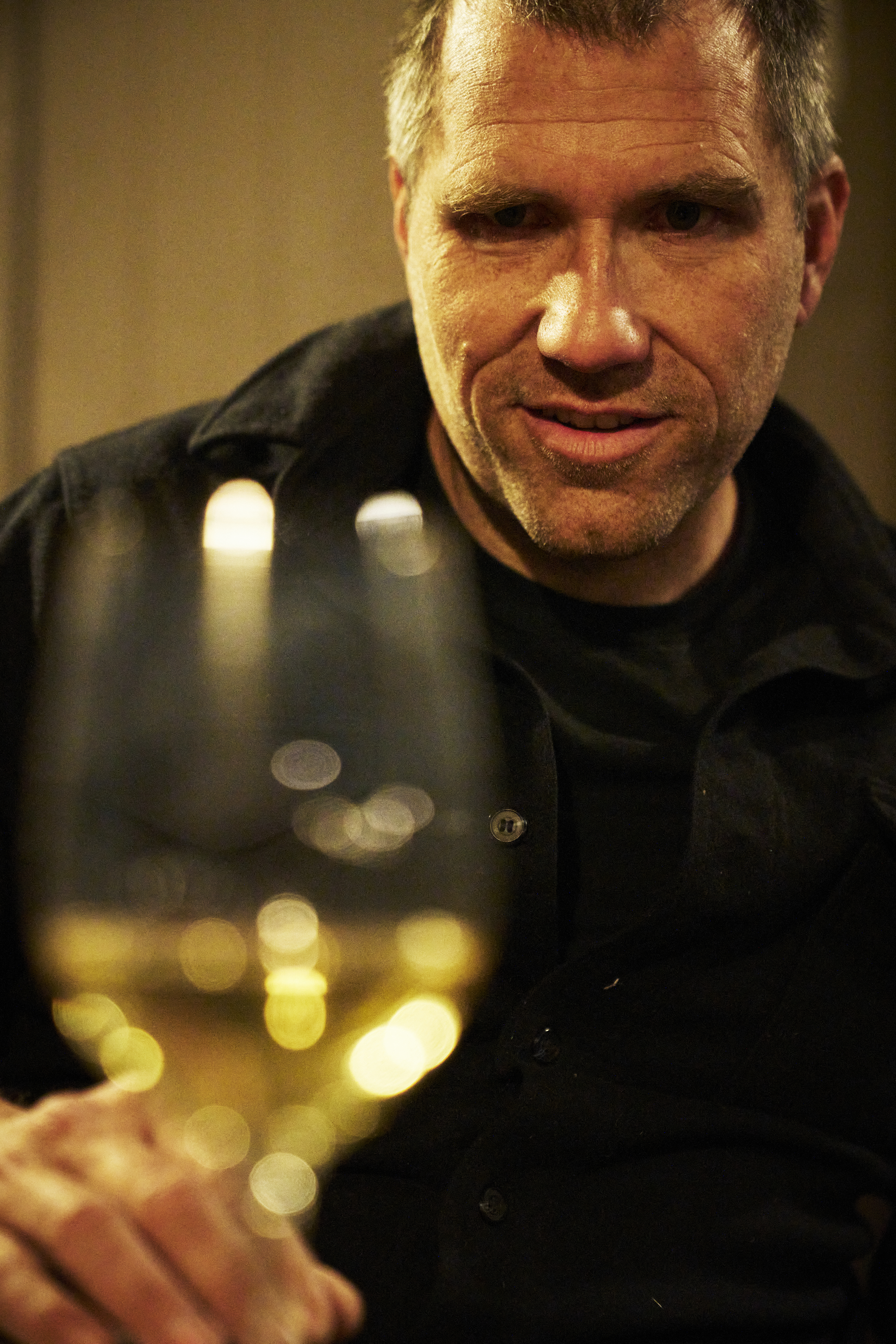
Tragically, Maggy passed away in 2020 after a long illness. Yet even before this, John’s and Maggy’s son, Alex, had been assuming more and more responsibilities at Kongsgaard.
“I started working for my parents a few years out of college, around 2007,” Alex informs me. “In 2011, I suddenly took on a lot of responsibility for the winemaking when Mom got sick. Now that I am a partner in the business, I share the winemaking with Dad.”
“And Alex looks after The Judge Vineyard now,” John adds.
“At about the same time I started in the winery, I began farming The Judge Vineyard,” says Alex. “My first day on the tractor was the beginning of the transition to organic farming. I remember trying to improve the seal between the white Tyvek protective suit and the gloves and just deciding not to spray the herbicide. Now, all the vines that Kongsgaard farms are certified organic. Farming The Judge has become very personal to me. Because it is small, only five acres, and I live about two minutes away, a real intimacy is possible. The Judge Vineyard has shallow, low-nutrition soils and extremely low vigor. These are what make the wine so concentrated, but they also make it hard to keep healthy and even alive. As the weakest vines inevitably fizzle out and die, they are very hard to replace. My first effort to replant the missing vines had a dismal 10% success rate. Over the years, I have developed a replanting strategy that involves kelp extracts, biochar, worm castings, compost teas, natural clay slurries, and sheep. Keeping The Judge Vineyard going and improving the wine from the farming side is a big part of my contribution.”
"Alex has been slowly evolving the wine style," says John. "And 2021 is like a perfect vintage—so saline on the finish and intense. Maybe the best Judge ever. The high notes are so high, and there’s almost a caraway note."
“As the second generation, I see it as my role not to change the wines but to refine them,” Alex interjects. “I have made big changes in the farming practices, like the change to organic farming, but I have not pushed changes on the wine. Dad carved out a style for wine in the 1980s, and Kongsgaard Wine was founded on that style. My role is to uphold the style and make the best wine every year. I like to ask, what makes the wine what it is? What things are the most essential? In this way, it is possible to refine the wine into even more of what it is. But these changes are pretty subtle—small changes to the barrel regime or moving the racking date to extend the time in contact with the lees.”
John smiles. “The best thing about my winemaking and grape-growing career is that my son has become my colleague and partner. I came at the time of Napa's renaissance 50 years ago, and while there were a few mentors around for us like McCrea, Winiarski, and André T, we were really a bunch of naive cowboys trying to figure out what to do. I am mostly proud of what we did, except for some pretty radical hillside deforestation in the name of vineyard development, but Alex and his generation are bringing an impressive level of refinement and thoughtfulness to winemaking and grape growing.”
Kongsgaard The Judge has become one of the most sought-after and expensive (on the secondary market) Chardonnays in the world, which makes it an impressive anomaly, considering that Napa wine is now almost exclusively about Cabernet Sauvignon. The Chardonnay success route at The Judge Vineyard is as much about vision sparked by an edifying formative experience as it is about the importance of mentorship, family, hardcore farming, and evolution. There are lots of other roads to success in this empire, but this is one of the best.
–
Article, Reviews and Photography by Chris Kissack

PRODUCERS IN THIS ARTICLE
> Show all wines sorted by scoreMore articles
Château Jean Faure 2004-2023
10th Jul 2026
10 tasting notes
Bordeaux 2025 En Primeur
07th May 2026
382 tasting notes
Château Vieux Taillefer 2013 - 2025
26th Mar 2026
13 tasting notes

Château Ducru-Beaucaillou 1904-2017
12th Mar 2026
34 tasting notes
Show all articles