30th Jan 2025
The Paso Robles area of California’s Central Coast is the Promised Land for winery story tellers like me. This article offers a small compendium of just a few of those stories, featuring interviews with the winemakers behind Aaron/Aequorea, Linne Calodo, Copia, and DAOU.
Paso remains a treasure trove for quality bargain hunters, especially those who love Rhône varieties. But I’ve also found wines that think outside the Rhône box, including Aaron’s collection of Petite Sirah blends, Linne Calodo’s Tempranillo, and not forgetting DAOU’s focus on Cabernet Sauvignon. Happy Paso Robles Hunting!
Aaron/Aequorea
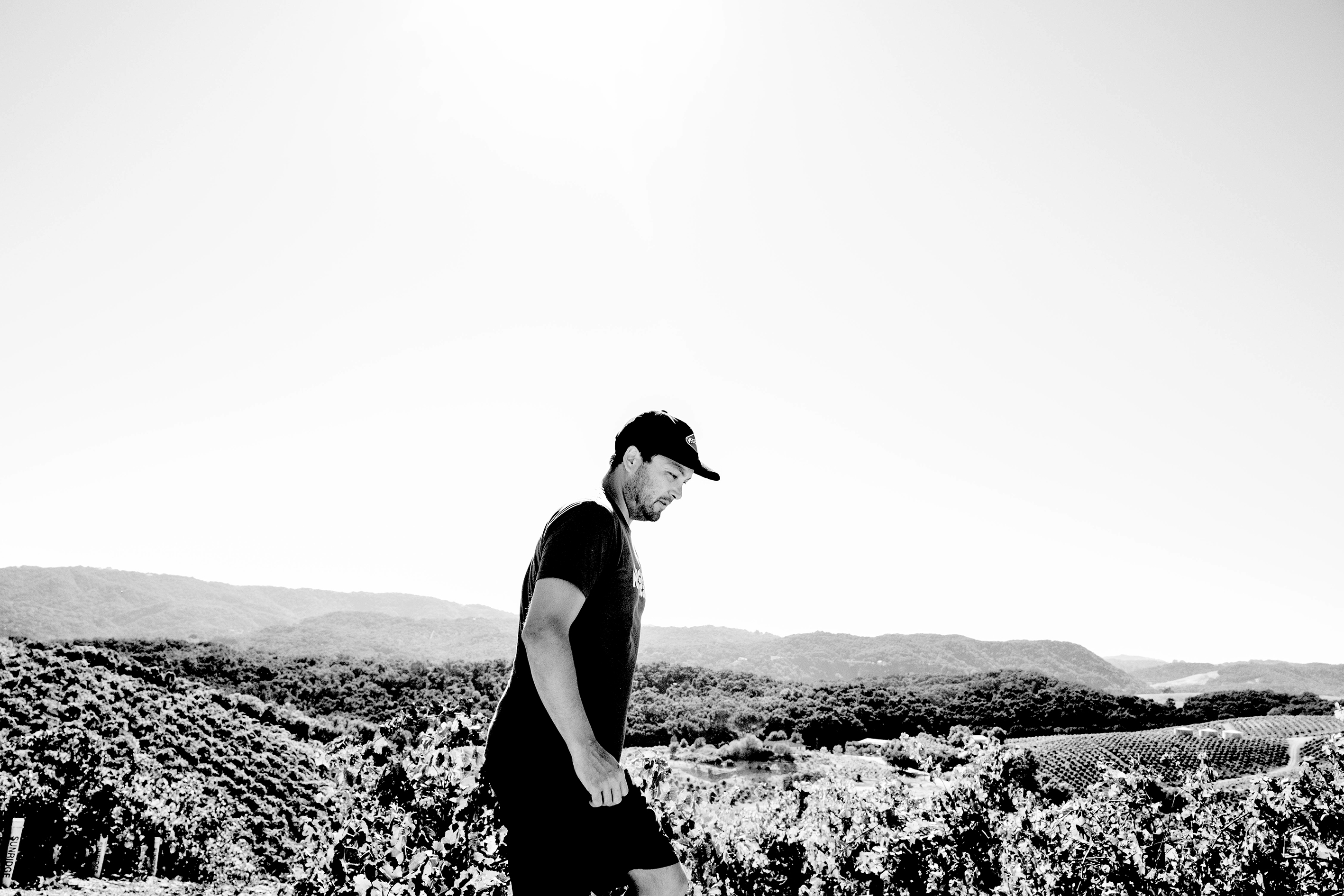
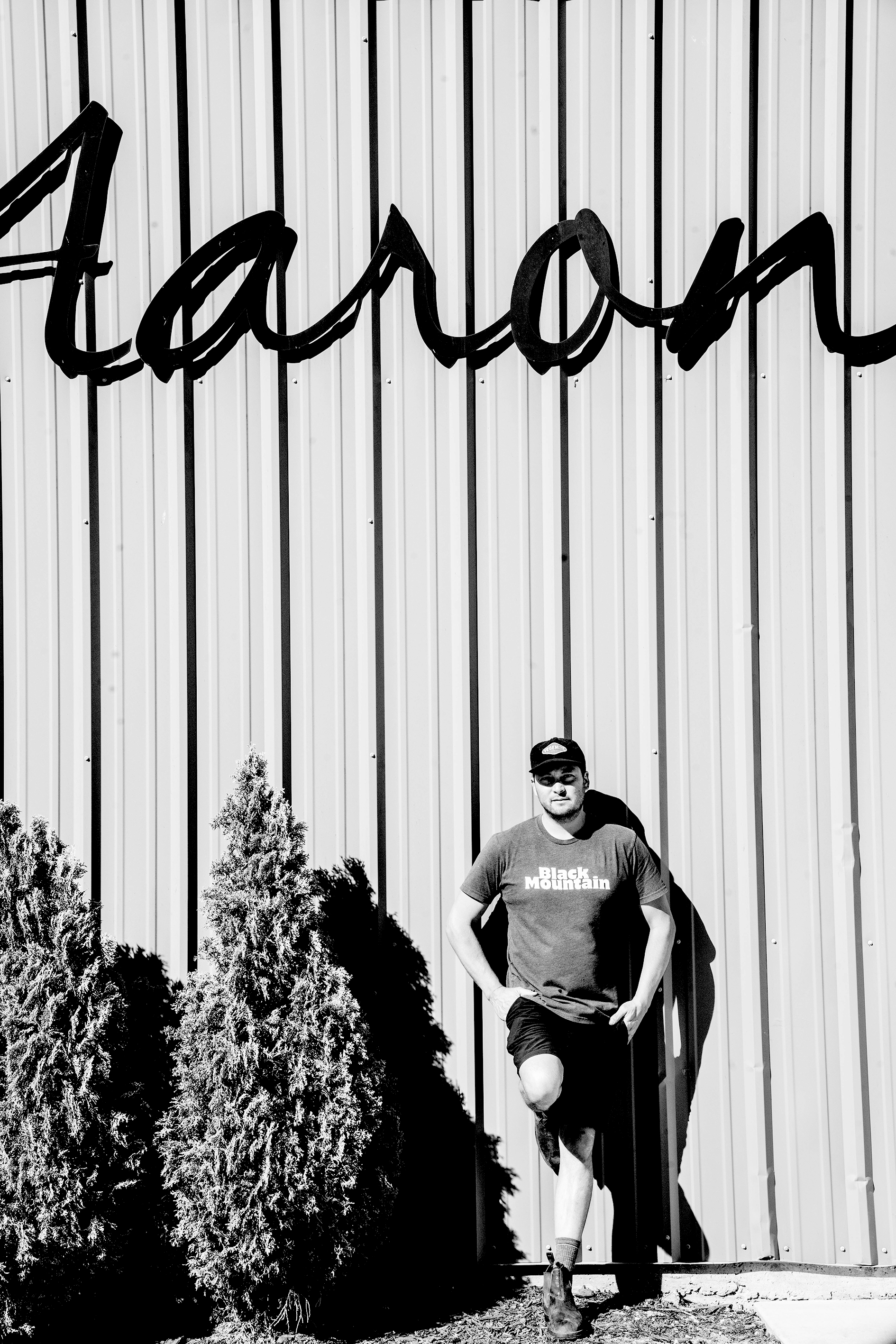
Aaron Jackson founded his eponymous label in 2002, championing the under-valued Petite Sirah variety. This variety remains at the core of his brand to this day.
“I got a job at a vineyard when I was 15, in 1999,” said Aaron. “I loved being outside and working with vines. At my high school graduation, they called out that I wanted to be a famous winemaker. I knew even back then. I was only 19 when I made my first wine.”
Why Petite Sirah?
“I asked myself how I get noticed in this sea of producers? And every time I make Petite Sirah that's captivating or different, I realize that I'm part of the story of this variety. It's a tricky grape. It's got thin skins. In 2010 I started getting into blends. The Aaron label is basically a study in Petite Sirah.”
Aaron manages to find Petite Sirah grown in some of the top sites in Paso Robles and the surrounding areas, including Dusi, Caelesta, and G2 Vineyards.
“A lot of people think Petite Sirah is a one-trick pony, but I've spent my career so far trying to dispel that myth,” Aaron told me. “It needs a perfect balance of drainage and stress with some soil, or else it will ripen too quickly.”
More recently, Aaron started the Aequorea label as “a study of the San Luis Obispo Coast.” The focus here is on cooler climate Pinot Noir, Chardonnay, Viognier, and Pinot Gris.
Aaron’s wines offer fantastic value for quality and are highly recommended!
Linne Calodo
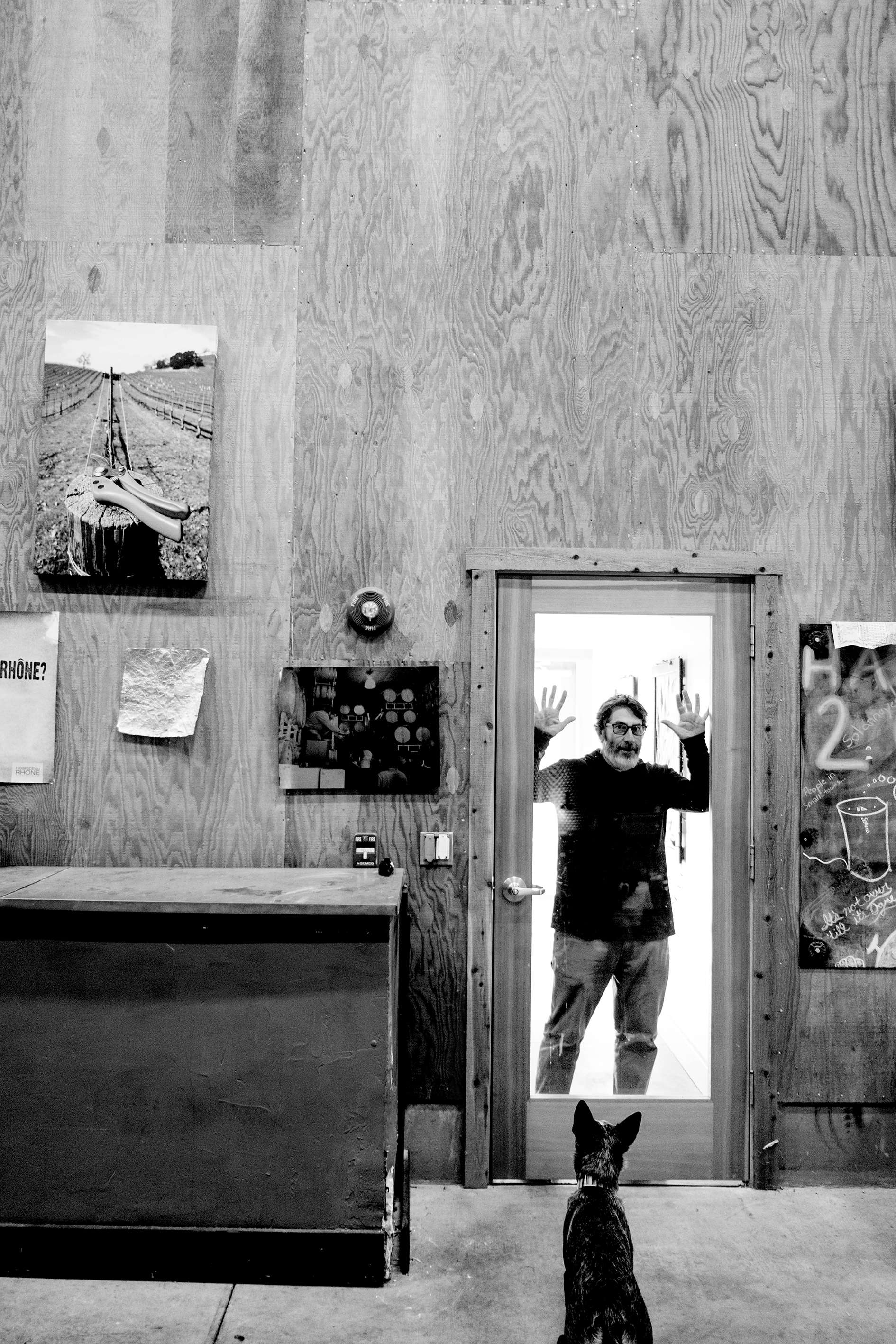

Matt Trevisan started Linne Calodo in 1998 with Justin Smith (now owner of Saxum).
“When I was at Cal Poly studying biochemistry, I met Justin Smith and helped with a harvest at James Berry Vineyard,” recalled Matt. “It was fun to see a family on a farm making wine. This idea of space. At that time, the power of making wine didn't occur to me.”
Planning to go into pharmaceuticals, Matt struggled to break into this highly competitive profession after graduation.
“I graduated, needed a job, and didn't know what to do,” said Matt. “I asked Justin if I could work at James Berry. My parents weren’t too happy. I killed gophers and did weed whacking. I was not the fastest worker because I hadn't studied farming. I'd been in a lab. I went for an interview at Justin Winery, and they asked me if I could drive a forklift, so I learned to drive a forklift. I soon decided I wanted to be the assistant winemaker. A year later, when I landed that role, I realized the job hadn't changed much. It was all a kinda ‘just get it done’ attitude. I kept thinking I would eventually go into pharmaceuticals. But then I realized I wanted to be a winemaker.”
When Matt was 26, he and Justin Smith started Linne Calodo.
“Justin and I were business partners at Linne Calodo from 1998 and 2001,” Matt said. “Justin had found the name Linne Calodo in a geographical book—it’s a scientific name for the calcareous soils in this area. At that time, I was a forklift driver at Wildhorse Winery, so we used the Wildhorse facility to make the first releases, focusing on regionally specific wines. I wrote up a business plan and we purchased fruit. Justin provided the fruit from his family’s vineyard, and I did everything else. The first year we had 7 tons and made about 500 cases.”
In 2001, Matt and Justin parted ways. The year before, Matt married Maureen, who became his business partner. They kept the name “Linne Calodo” and the spirit of the business.
“In 2000, just after we were married, we bought this property with the view to plant a vineyard and build a winery here,” said Matt. “We had to get something with a house on it so that we could get a homeowner’s loan. We lived in that little cottage on the hill for years; it’s now a guest house. The entire property is 77 acres with 44 acres of forest. In 2002, we built our first building—a small winery using a loan. We didn't have any money back then.”
A few years later, Matt and Maureen put down vine roots.
“In 2005, we planted our first vineyard with a lot of experimental blocks,” he told me. “It was just five acres. Today, this property has 11 acres planted. We also have 14 acres at Oakdale Ranch across the road. In total, we have around 54 acres of vineyards, all in the Willow Creek AVA of Paso Robles. A big portion of the estate is dry-farmed. It’s about 60% dry farmed and 40% irrigated. From the beginning, we didn't want to manipulate wines with chemistry but create balance with blending. We wanted the winemaking to happen in the fields.”
Linne Calodo focuses on Rhône varieties, yet they also craft compelling expressions of Tempranillo and Zinfandel.
“I think winemaking has to be about finding land, planting it, and getting shot down a lot because you're going to make mistakes,” Matt says with a smile. “These days, everyone hires everything out. All the difficult jobs. But you’re never going to learn and improve by doing that.”
Copia
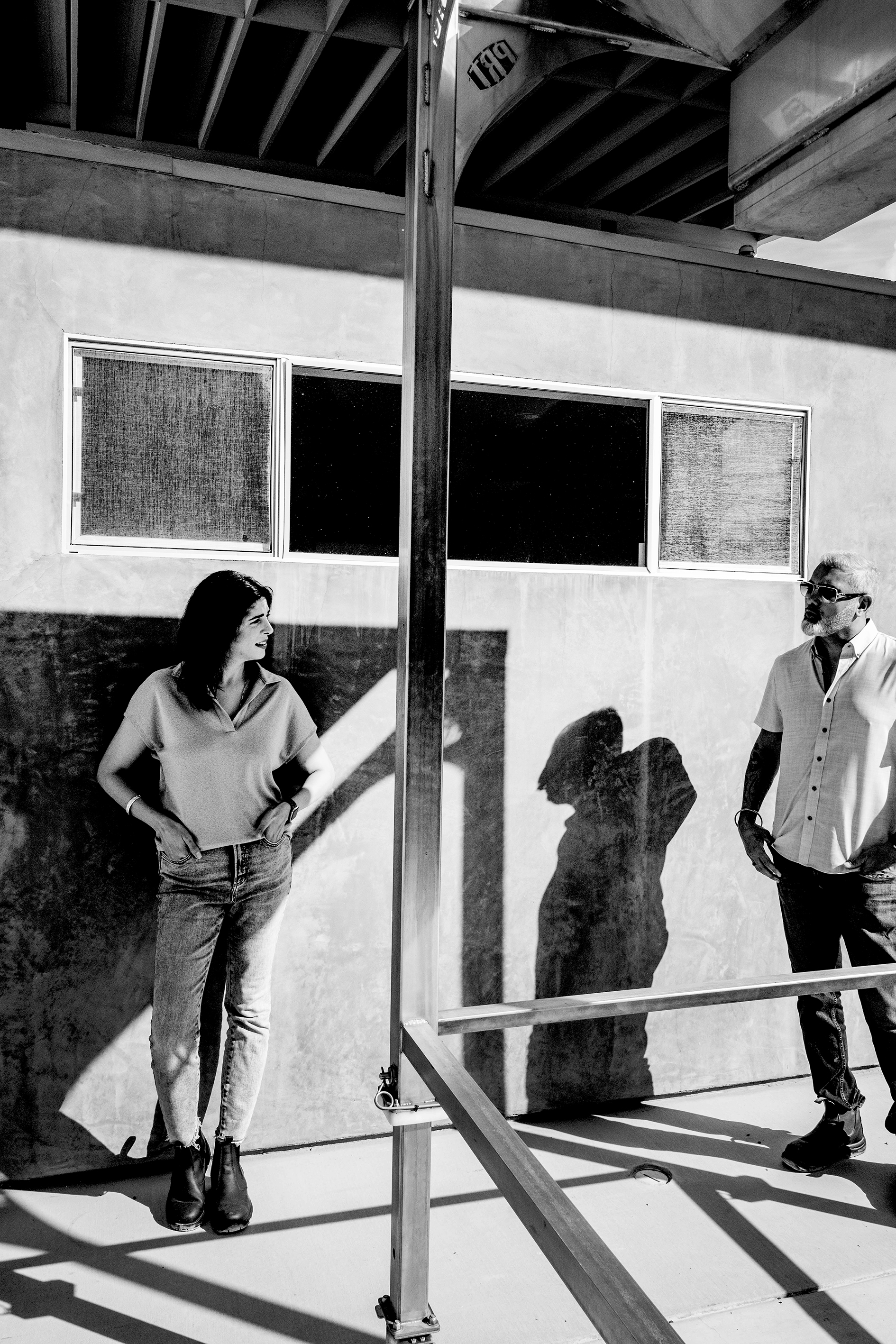
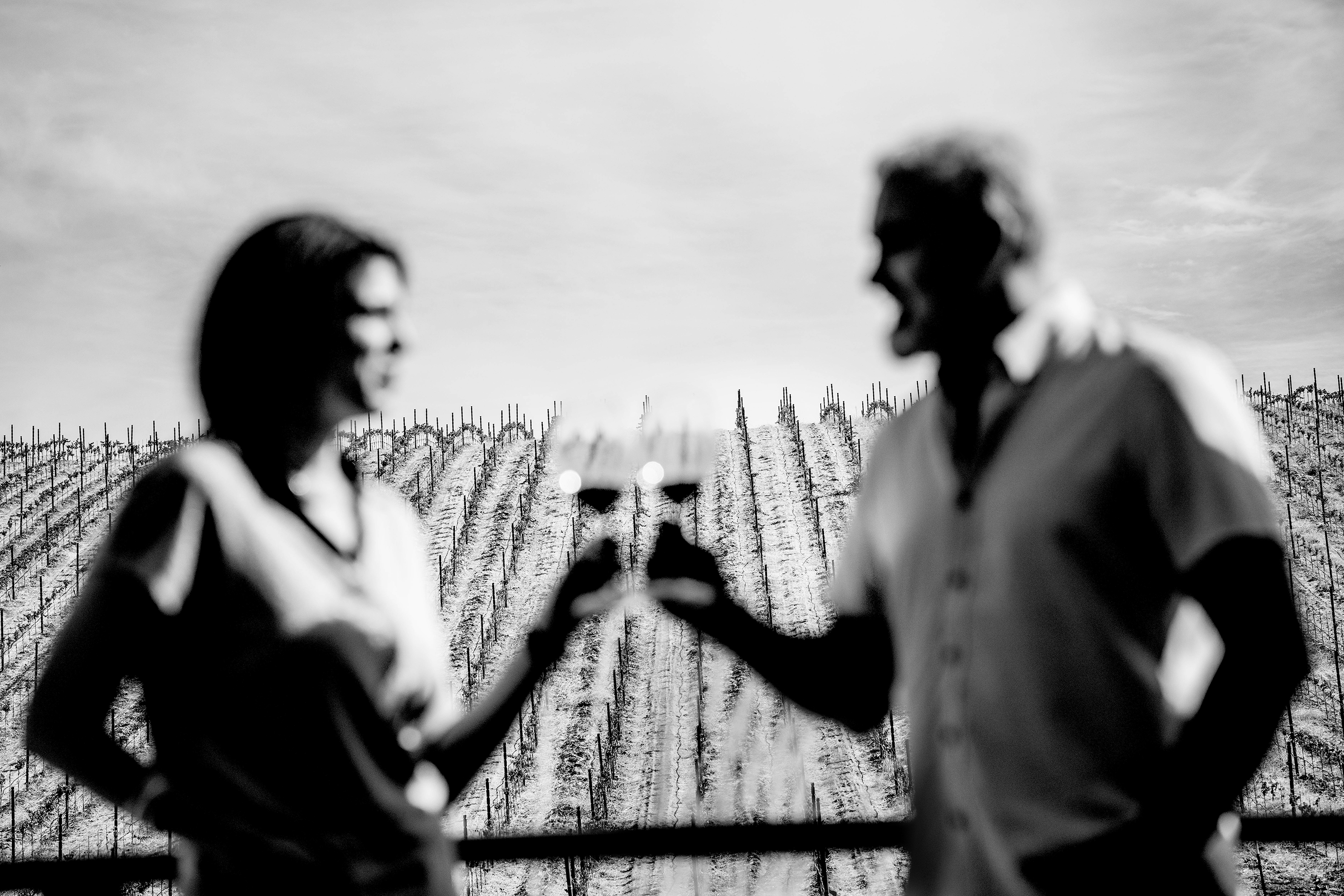
Varinder and Anita Sahi came to Paso Robles in 2015 and essentially never left. Varinder was a successful engineer and businessman, while Anita headed up marketing for some of America’s most exclusive restaurants. Their shared love of wine, the sheer beauty of California Central Coast’s wine country, and the comradery of Paso Robles’ winemaking community convinced them to give up their day jobs and start Copia.
“I was born in India and grew up there,” said Varinder. “My family were farmers. When things changed, and our land became much smaller, we knew we had to become professionals. But I always wanted to get back to farming. The first time I had wine at corporate dinners, I had no idea what I was having, but I loved it. I would try to impress my dad with a $25 wine, but it wasn't very tasty, so I would have to get the Scotch. But the wines I had at corporate dinners were so good. I caught the bug and started studying wine. Then I moved to Indianapolis and would visit California for work. By the time I was 24, I got deep into this. I convinced my dad to sell 5 acres of our land, and we bought 20 acres in Lodi. We planted grapes for Gallo. In 2012, I got serious and went to UC Davis to study winemaking.”
In 2015, Varinder met Anita, who shared his passion for wine. They took a trip to Paso Robles and that was it.
“We came to Paso and knew many of the wineries already,” said Anita. “We fell in love with the people and the land. People are more open here than in Napa.”
That same year, they moved to Paso Robles and looked for work in a winery the following year.
“We became the oldest interns at Booker in 2016,” laughed Varinder. “Eric said if you're going to work here and be crazy enough to learn all this, you should come in July and see the whole process. For me, this was coming back my roots.”
In 2017, they finally found the perfect piece of land to embark on their winemaking dream.
“We bought this place in 2017 in two parcels,” said Varinder. “It’s 50 acres total. We applied for the winery permit in 2018 and got it in 2024. We were making wine at Denner Vineyard until 2022 when it was bought by Gallo.”
The Sahis own a house and vineyard perched on a steep hill in the Willow Creek District of Paso Robles, affording spectacular views over the region. They have nearly 40,000 vines planted in 24 blocks. In 2022, their estate expanded to include 26 acres in the Adelaida District, with 20 acres planted to vines.
“We've got the winery permit now, so we intend to make the wines here going forward,” said Varinder. “2018 was our first vintage. 2021 was the first vintage using our estate fruit.”
The Sahis’ early efforts are impressive. I especially love the Mourvedre/Syrah blend from their estate (The Anchor). And they make a beautiful Cabernet Sauvignon. This is an exciting new winery to watch!
DAOU Vineyards
The growing reputation of Paso Robles has not gone unnoticed by large wine companies in recent years. One of the biggest headlines in wine business news in 2023 was the purchase of DAOU Vineyards from founding brothers Daniel and Georges Daou by Treasury Wine Estates for a cool $1 billion.
DAOU Vineyards is a fairly young estate, established by Daniel and Georges in 2007. The brothers were born in Lebanon but mostly grew up in France, where they were introduced to wine from an early age. When they turned 18, they moved to the USA to become engineers and start a tech company, the sale of which gave them the means to follow their wine hearts and found DAOU Vineyards. Most of the current 400 acres of vineyards is devoted to Cabernet Sauvignon, which is unusual for this area of Rhône Rangers.
Post-purchase, Treasury has maintained Daniel Daou as a founder and winemaker, operating largely from his new base in Tuscany. I recently tasted through DAOU’s current releases with him via Zoom.
"One thing we stressed when Georges and I sold is we don’t want the quality here to change," said Daniel. "We are still focusing on quality, not quantity. I still approve all the wines."
Daniel left California for Italy only 10 months ago and has already been back since, intending to return to the estate 2-3 times per year.
“Paso is larger than Napa and Sonoma put together,” Daniel pointed out. “We rocked the boat a little when we made these Cabernets. Everyone was saying, ‘No, this is a Rhône varieties region.’ We started getting higher scores, but our success wasn’t received so well by some local wineries. And yet, the number one Cabernet Sauvignon sold in the US for over $150 is DAOU.”
Daniel has long been a lover of Bordeaux wines.
“One of the reasons I became a winemaker was my love for Bordeaux and because my father used to collect these wines,” he said. “Emotionally, I connected with Bordeaux. I’ve always been fascinated by Bordeaux. My original goal was not to start a winery but to become a winemaker. I asked myself, what makes a great wine? Terroir. You hear a lot about limestone in Paso, but that is not good for Cabernet. I disagree. I did want limestone in the subsoil, but I wanted clay above it. The only area in Paso with topsoil is Adelaida, and that’s why I picked it for that first layer of pure clay. Limestone subsoil gives you great minerality. My favorite thing about my wines is the freshness. I don’t want a wine that tastes like a Port, so you need these soils. Most Cabernet Sauvignon in California will not reach physiological ripeness at 24 brix, so you have to go riper, and you lose acidity. Then you have to acidify. I don’t want to add acid, and I don’t need to with the limestone subsoil. The other major issue is water. The only soil that allows you to dry farm is clay over limestone. Most vineyards are irrigated 4-6 gallons per vine per a week. We only have to irrigate once or twice per year, maybe a gallon.”
When I first visited DAOU Vineyards more than a decade ago, I was struck by how unique the site was for this area. It is effectively a giant amphitheater.
“I still hear all the time that Paso is very hot,” said Daniel. “We are the only vineyard at 2200 feet and 14 miles from the ocean. We are cooler than St. Helena. We found the perfect sweet spot. We have a unique micro-climate in that little bowl. We are 5-8 degrees cooler than downtown. Our weather is between Bordeaux and Napa—and we’ve tracked the weather for 15 years.”
DAOU is one of the largest premium wine producers in Paso Robles, producing around half a million cases per year. And yet the quality remains remarkably high. The top wines, such as the flagship “Soul of a Lion,” are by no means cheap, in this case retailing for around $155. However, considering what you might pay for similar quality Cabernets from Napa, Bordeaux, or Tuscany, the quality-price ratio here is very appealing.
-
Article & Reviews by Lisa Perrotti-Brown MW
Photography by Johan Berglund

PRODUCERS IN THIS ARTICLE
> Show all wines sorted by scoreMore articles
Château Le Dôme 1997-2022
10th Sep 2026
9 tasting notes

Bordeaux 2024 Revisited
03rd Sep 2026
69 tasting notes
Château Jean Faure 2004-2023
10th Jul 2026
10 tasting notes
Bordeaux 2025 En Primeur
07th May 2026
382 tasting notes
Show all articles