28th Oct 2025
This year marks the coming of age of one of the most beloved animated films in cinema history – “Ratatouille.”
The film was revolutionary for its time. Not only because it revealed the internal kitchen of the finest French kitchens (forgive the tautology), and not only because it inspired so many of us to pursue what we truly love, thanks to Chef Gusteau and Remy, but also because of its extraordinary attention to detail.
Since wine is an inseparable part of any French fine-dining ritual, the filmmakers approached its depiction with remarkable precision. The bottles shown on screen play a quiet yet powerful supporting role, adding atmosphere, authenticity, and an extra layer of immersion.
In total, three wines make cameo appearances in the film.
We have Château Cheval Blanc 1947 (you can read more about it in the recent piece from Ivar Bjurner by CLICKING HERE) — this is the wine Anton Ego enjoys while tasting Remy’s legendary ratatouille.
There is also a Côte-Rôtie (the label closely resembles E. Guigal, though the vintage remains a mystery), poured as Ego writes one of his reviews.
Finally, the bottle that Chef Skinner uses to interrogate poor Alfredo Linguini in hopes of uncovering his culinary secrets: Château Latour 1961.

Truth Serum
The second half of the 1950s was not an easy chapter for Bordeaux.
The catastrophic frosts of February 1956, when temperatures fell to –16 °C, devastated large parts of the region’s vineyards. Latour, thanks to its privileged elevation, escaped the worst of it, though its vines were still weakened.
The following vintages, 1957 and 1958, remained challenging.
Then came 1959 - an exceptional year that allowed the whole region to finally breathe again. Few expected anything comparable to happen so soon afterward. Yet 1961 surpassed every imaginable expectation.
Jean de Beaumont, president of Château Latour’s board at the time, wrote; “Immediately after flowering, several cold days followed, accompanied by a dry wind, causing extreme coulure and a severe reduction in yield.”
To put it in numbers: Latour produced 156 tonneaux in 1960, but only 63 in 1961. What remained, however, was of extraordinary quality. The harvest took place from September 19 to 28 - just ten days in total.
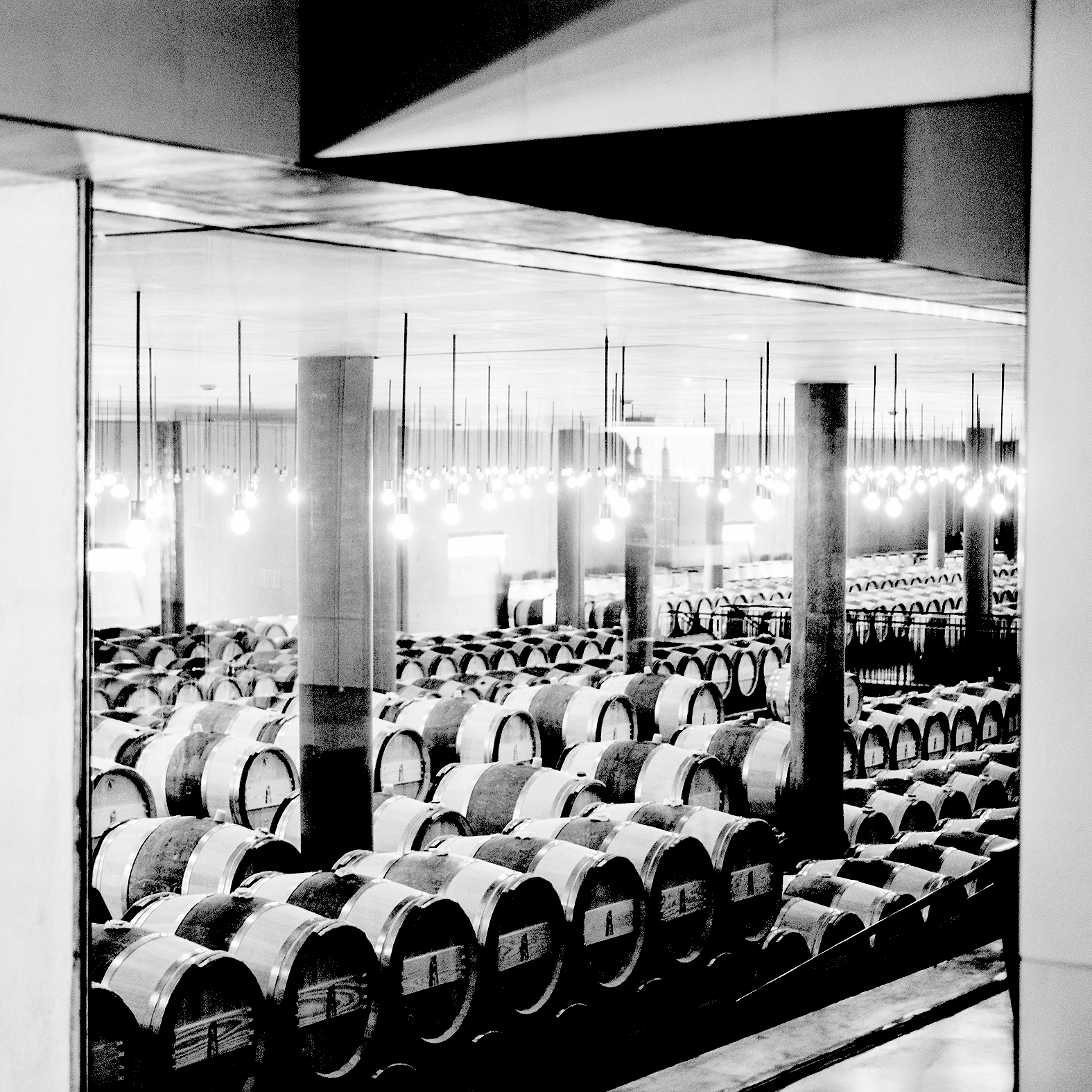
Fast-forward sixty-four years and what ended up in my glass was nothing short of a revelation.
Let’s be honest: the first sip after opening was jaw-dropping.
In a blind tasting, without seeing the digits 1-9-6-1 on the bottle, I would never have guessed this wine was over six decades old. It was vibrantly alive: powerful, deep, and dazzling both on the nose and palate.
What struck me most was the kaleidoscope of aromas, evolving constantly in the glass - endless nuances unfolding minute after minute. At first, a burst of red fruits and berries: cherry, cranberry, plum, even a touch of strawberry, followed by hints of mint, chocolate, coffee, and graphite. With time came a sensual wave of spices that completed the picture. Later still, toasted nuts appeared, while the fruit turned from fresh to jammy, shaded by dried fruits, expanding not just the flavor palette but also the emotional one.
The wine only began to fade after two and a half hours - an astonishing performance for something over sixty years of age.
Final Thoughts:
After such an experience, one can’t help but wonder how on earth did poor Alfredo Linguini survive Chef Skinner’s interrogation after an entire bottle?
I’ll close with the unforgettable words of Anton Ego: “In many ways, the work of a critic is easy. We risk very little, and yet enjoy a position over those who offer their work and themselves to our judgment... But there are times when a critic truly risks something, and that is in the discovery and the defense of the new. The world is often unkind to new talent, new creations: the new needs friends.”
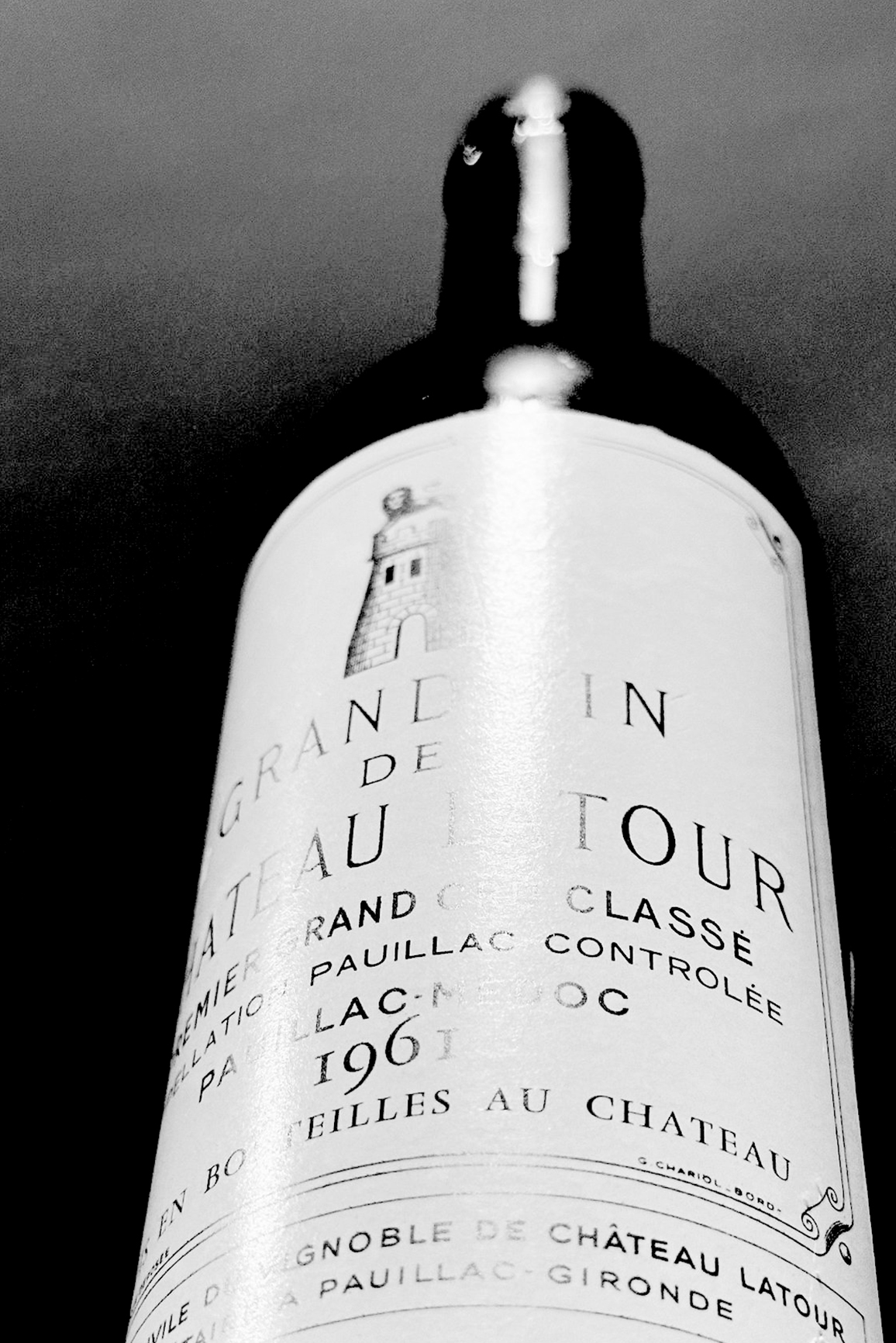
- Article, Reviews & bottle shot by Aleksandr Fedutinov, Photography by Johan Berglund

PRODUCERS IN THIS ARTICLE
> Show all wines sorted by scoreMore articles
Château Le Dôme 1997-2022
10th Sep 2026
9 tasting notes
Bordeaux 2024 Revisited
03rd Sep 2026
69 tasting notes
Château Jean Faure 2004-2023
10th Jul 2026
10 tasting notes
Bordeaux 2025 En Primeur
07th May 2026
382 tasting notes
Show all articles